

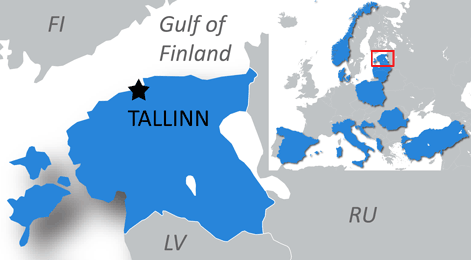
 Capital: Tallinn
 Population: 1.37 million
(2025, Statistics Estonia)
Population: 1.37 million
(2025, Statistics Estonia) GDP: €39,8 billion
(2024, Eurostat)
GDP: €39,8 billion
(2024, Eurostat)- GDP/capita: €28 990
(2024, Eurostat)
Overview of the Estonian fisheries and aquaculture sector

Marine fishery
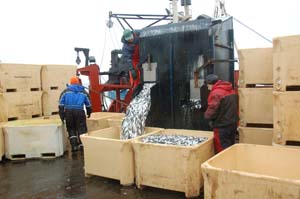
Estonia, facing the Baltic Sea and Gulf of Finland, has a coastline of 3.700 km. This excludes its islands, which number more than 1.500. Estonia’s diverse terrain includes rocky beaches, old-growth forests, and many lakes, the biggest being Lake Peipus. Tallinn is the main commercial port, while Pärnu is the most important fishing port. Estonia’s marine fishery consists of 3 national fleet segments – Baltic Sea coastal fleet (2.069 vessels), Baltic Sea trawling fleet (24 vessels) and high seas fishing fleet (6 vessels). The total marine catch amounted to 59.344 tonnes.
The Baltic Sea coastal fleet has the largest number of vessels, but total landings are relatively small, making only 4% (2.244 tonnes) of the total landings of marine fisheries. The gear commonly used comprises different kinds of passive gears such as traps and gill nets. The marine areas where the fishers operate include Pärnu Bay, Gulf of Finland, Gulf of Riga, the Väinameri Sea, and the Central Baltic near the Saaremaa and Hiiumaa islands. The most important fish species targeted by the coastal fishing sector are European perch, smelt, Baltic herring, flounder, pike-perch, roach and Northern pike. This fishery is highly seasonal and depends on weather conditions.
The distant water fleet comprised six vessels that target northern prawn (Pandalus borealis), Atlantic redfishes (Sebastes spp.), skate, and Greenland halibut (Reinhardtius hippoglossoides) in the Northwest Atlantic, Northeast Atlantic, and Svalbard. The fleet is responsible for 20% of Estonia’s total marine catch volumes in 2024. The marine trawl fishery in 2024 contributed to almost 60% (35.366 tonnes) of the total landings. This fishery targets mainly sprat and Baltic herring, which represent about 95% of the Baltic Sea catches.
Inland Fishery
Commercial fishing in inland waters is cantered predominantly on Lake Peipus and Lake Võrtsjärv. The remainder is divided between several other lakes and rivers. There are over 500 fishing vessels using nets, traps, pound nets, and Danish seines as the main fishing gears. In 2024 the catch by inland vessels amounted to about 2.720 tonnes. European perch was the main species with over 33% (911 tonnes) of the total inland catch volumes, followed by pike perch, and freshwater bream.
Aquaculture

All aquaculture production in Estonia is derived from freshwater ponds, flow-through systems, and recirculation aquaculture systems (RAS). The aquaculture sector is constrained by climatic conditions in the northern latitudes, which have short periods of vegetation growth, below-zero temperatures in winter, and cold water. Farming of fish for human consumption is often combined with the provision of fishing tourism opportunities in freshwater ponds and related services, or with juvenile production for restocking.
In 2023, there were 47 active aquaculture farms registered as producers with the Agricultural and Food Board in Estonia, of which 28 raised fish and 19 farmed crayfish. Estonia’s only mussel farm is located in Tagalaht Bay, on Saaremaa, near aquaculture cages. Mussel farming serves as a compensatory measure to enhance the sustainability of cage farming, as mussels absorb nutrients.
Total aquaculture production in Estonia in 2023 reached 918,5 tonnes. Rainbow trout remained the most commonly farmed species, accounting for 85% of the total volume both years. Other species farmed in larger quantities included eel, carp, sturgeon species, and African catfish. There are two main industry organizations in the aquaculture sector: Estonian Association of Fish and Crayfish Farmers. Additionally, the Estonian Offshore Aquaculture Cooperative operates as a producer organization uniting eight fish farming companies.
Processing
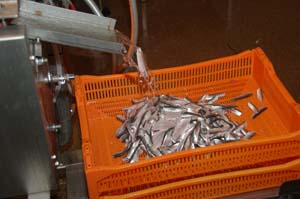
In 2023, the value of processed fish and seafood by Estonian processing enterprises grew by 18%, reaching € 261,6 million for 130.200 tonnes. Frozen, salted, spiced, dried, frozen, and breaded fish accounted for the bulk of production. A large share of the product range is sold in the domestic market. According to the national statistics, in 2023 Estonia’s fish processing sector employed 1.204 persons across 72 companies with 92 facilities. More than half of the companies’ processing facilities were located in Harju and Pärnu counties
Trade
In 2023, Estonia’s fish exports totalled 96.647 tonnes worth € 239,2 million. Export volumes to the EU countries equalled 40% of the total fish and seafood exports, while the values made up to 54%. The largest export market in terms of value was Ukraine, followed by Belarus, Latvia, and Lithuania. Sweden, Ukraine, China, Finland and Belarus were the top five countries in terms of revenue. Main exported products include shrimps, fishmeal, salmon, herring and fish oil.
In 2023, imports totalled € 198,4 million and 64.717 tonnes. The vast majority of imports come from EU member states (about 71% in volume and 86% in value). The leading seafood exporters to Estonia were Finland, Norway and Lithuania in both value and volume. Among the frozen fish, imports into Estonia are mainly salmon, herring, and sprat, while the fresh fish are mainly salmon, trout, and sprats
Consumption
According to EUMOFA, Sources indicate that consumption of fisheries and aquaculture products amounted to 17,51 kg in 2023. The most popular species are salmon, trout, herring, and sprat. Consumers prefer to buy the fish in fresh or smoked form.
Publications
The latest version of the Guide to Recirculation Aquaculture is available in Estonian here:
Useful Links for Estonia
- Ministry of Regional Affairs and Agriculture
- Fisheries Information Center
- Estonian Association of Fishery
- Statistics Estonia
If any of the above listed links do not work or if you have a relevant link to add, please send us an email here.