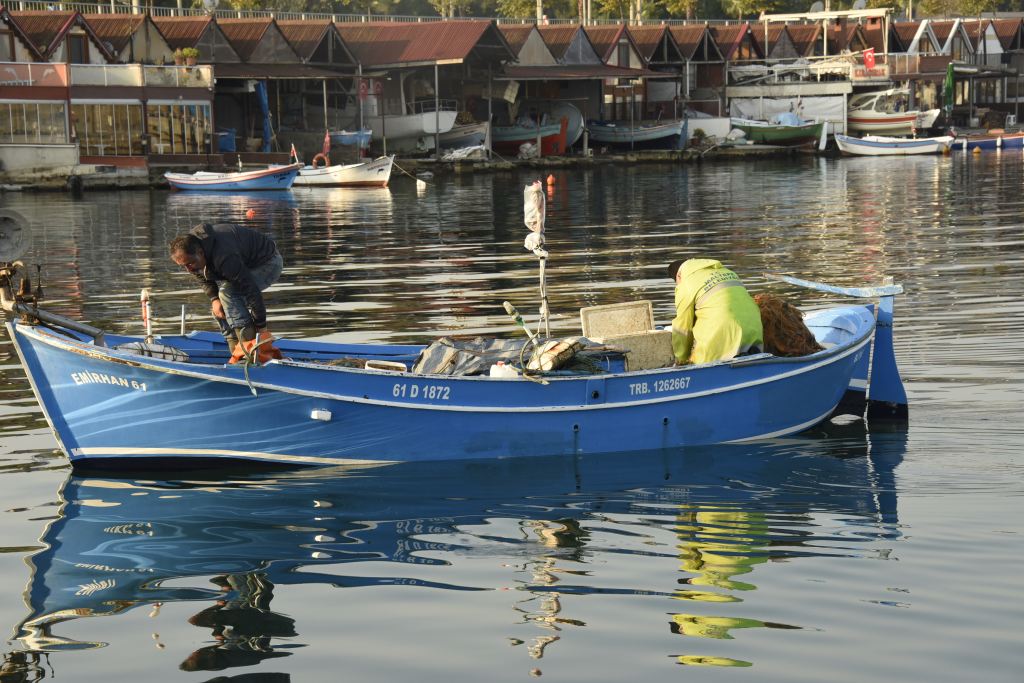
The newly released flagship GFCM report, The State of Mediterranean and Black Sea Fisheries 2025, reviews the status, trends, and governance of Mediterranean and Black Sea fisheries and aquaculture up to 2023. Marine capture fisheries and marine and brackish aquaculture together produce just over 2 million tonnes of aquatic food, worth USD 21.5 billion and supporting about 1.17 million jobs. Aquaculture now supplies more than 45 percent of regional production and is growing, while capture fisheries remain broadly stable. Fishing pressure has fallen by around half since 2013, the share of sustainable stocks has doubled, and biomass has risen by a quarter, although 52 percent of assessed stocks are still overexploited and bycatch hot spots persist. Türkiye, Egypt, Italy, and Greece dominate production, with small pelagics central to capture fisheries and seabream, seabass, and mussels leading aquaculture output. Marine capture generates USD 3.1 billion in first-sale value, but profitability is uneven and fleets face high energy costs and an ageing workforce with limited participation of women and youth. The General Fisheries Commission for the Mediterranean has expanded multiannual management plans, fisheries restricted areas, and support for small-scale fisheries and aquaculture, but further reforms, climate resilience, and streamlined licensing are needed to unlock sustainable growth. To freely download the full report or an executive summary visit

https://www.fao.org/gfcm/publications/somfi/state-of-the-mediterranean-and-black-sea-fisheries-2025.