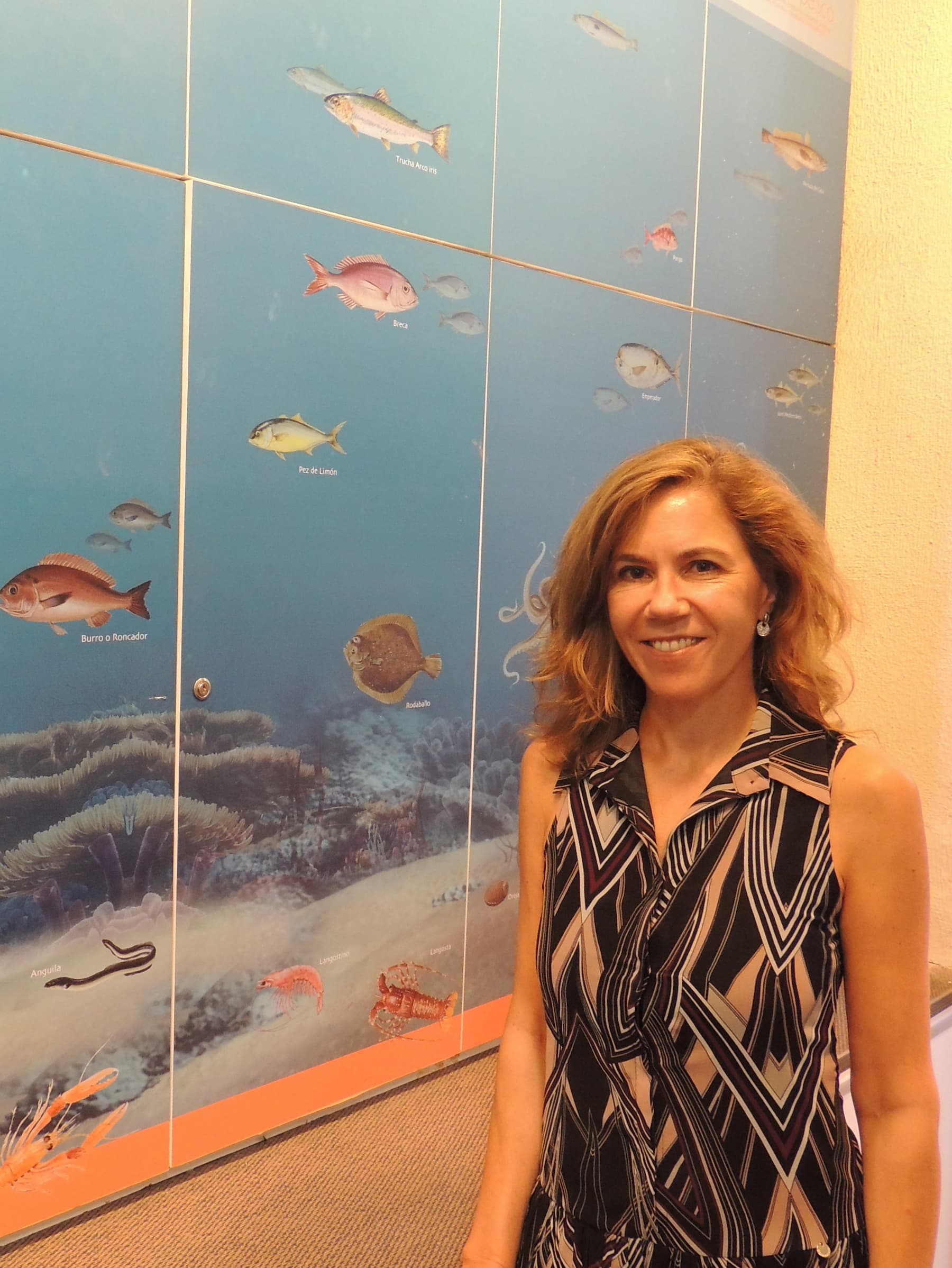
Luisa Álvarez Blanco, the Deputy Manager of Fedepesca

Nobody doubts that the Spanish fishery and aquaculture sector is at the cutting edge, of every part of the value chain. The figures confirm it. Spain is the biggest producer in terms of both capture fisheries and aquaculture in the European Union, the second biggest European consumer, and holds the sixth place in the world.
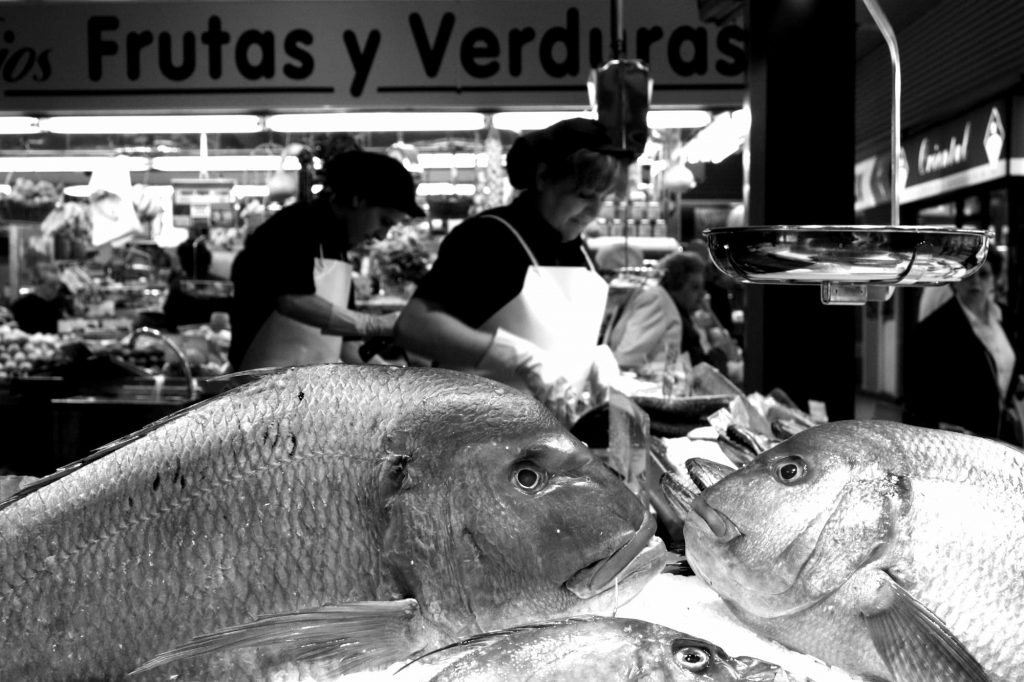
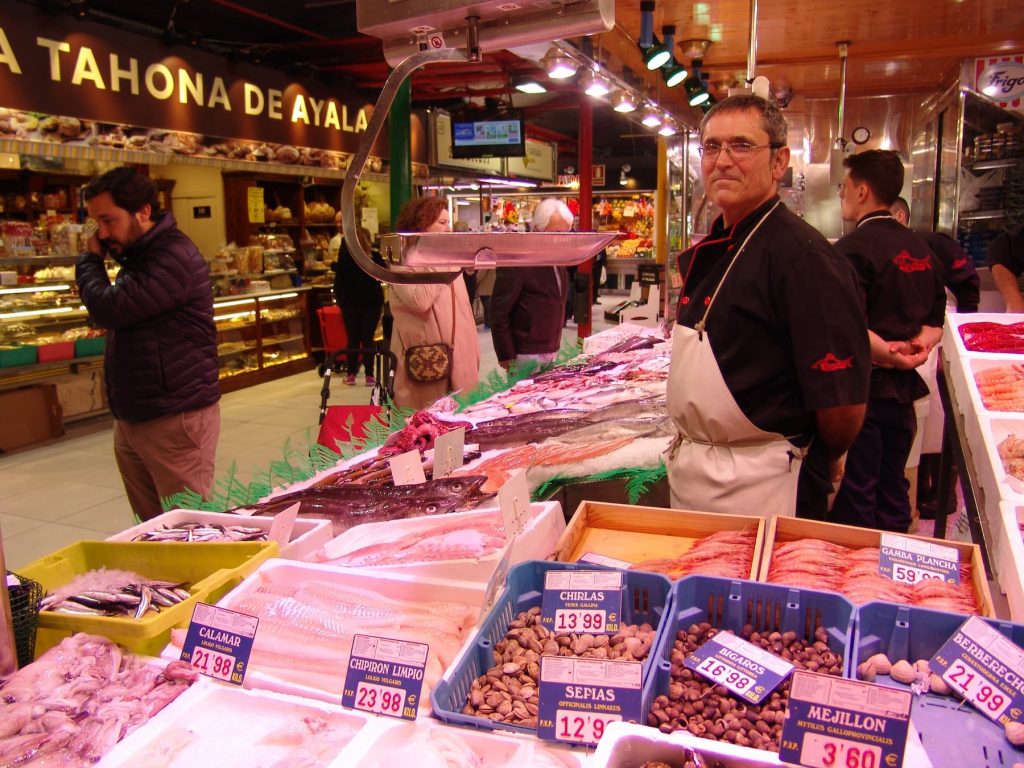
But only few know that the Spanish traditional fish shops network is one of a kind, for many reasons, including the number located in Spain, the great variety of products, and because of its specialisation. This fantastic fish shops network, run by fishmongers, makes it possible to find fisheries products in any corner of the country, strengthening the Spanish population’s taste for fishery products. This unique network, through which 45% of the total amount of fresh fish in the country is still distributed, has made the Spanish market the one with the greatest variety of species in the world.
Traditional fishmongers still have a third of the market
Fedepesca has represented this network of small fishmongers since 1978, but the number of businesses has been reduced, coinciding with the rise of other commercial sales formats, socioeconomic changes in society, and the introduction of new technologies. Currently there are 10,000 selling points, and the traditional fish retail sector still has one third of the market. More than 20,000 people work in this sector, almost one fourth of the entire employment in the fishery value chain. They stock up early in the morning, and they work many hours so they can guarantee the Spanish consumer access to the best fisheries and aquaculture products.
The decrease in market share comes along with a reduction in consumption of fisheries products. Lifestyles have changed and the lack of time in daily life reduces the visits to traditional fish shops. Consequently, there have been changes in the healthy dietary habits related to the Mediterranean Diet, that enabled Spain to be one of the countries with the longest life expectancy. In 2008, household consumption was 27.89 per capita, the latest figures (2015) reveal that this consumption has reduced to 25.86 kg (Magrama). A further fall is expected in household consumption in 2016.
Product appeal needs to be adapted to young people
Fish is appreciated for its healthful qualities and its taste, but consumers don’t feel it is practical to cook. This attitude is hurting the sector, and is especially prevalent among young people. Youngsters nowadays have few cooking skills and they are afraid to go to a fish shop because they don’t know what product to choose. Everyone wants a healthy lifestyle, but nobody wants to spend time in grocery shops or cooking. We like cooking, but we need help with it, because more than ever we demand easy-to-cook products, that only need the finishing touch. For this reason, traditional fish shops have widened their selection with ready-to-eat products, or other salted, cured and smoked products, as well as some complementary products for cooking fish, like rice, wine, salt, broths. They have realized that filleting and gutting alone is not enough to attract consumers.
Tasting the product at the selling point is an important trend that Fedepesca would like to promote. Customers demand it and both European and Spanish regulations allow this activity as an additional service, provided it meets hygiene and food safety requirements. In addition, dealing with take-away products prepared by the fishmonger is easy, as customers can just select, pay and eat them. The organisation also encourages fish shops to introduce flavours and recipes from other cultures. For example, sushi, other Asian food, and ceviche are attractive especially for young people. With the spread of mobile devices young consumers now expect to interact whatever the activity, so Fedepesca is looking to boost the use of new technologies and apps in its sector. Social connectivity in real time, multiple sales channels including traditional and on-line, and the provision of services are all strategies that need to be adapted to the fish retail sector. Another trend that especially benefits fishmongers is interest in the product origin. Fresh, artisanal and local products are of particular interest to consumers and can even change a purchase decision.
Representation, projects main activity areas
At this juncture, in Fedepesca has two areas of activity. On the one hand, it represents and defends the interests of the sector, including suggesting amendments to regulations. On the other it executes projects that contribute to maintaining competitiveness though training, innovation, promotion or the use of new knowledge and technologies. Fedepesca also functions as the interface between institutions and its members. It works to publicise the role of the fisheries sector, and in particular of the traditional fish retailer sector. Promoting the consumption of fish and seafood and collaborating on efforts to disseminate information about the value chain, the products, sustainability, and the role of women, are also important activities. Fedepesca has executed projects on dissemination, traceability and labelling, fish quality, and training. The latter is the best way to ensure the future of the sector. Training is extremely important both for fishmongers already working, to maintain their competitiveness and to improve their skills, and for new generations, to ensure the continued existence of traditional retailers. Despite the great need for labour, getting young people to join the sector is extremely difficult even though rates of unemployment among the young are currently unprecedented. This situation may be caused by shortcomings in the Spanish professional training scheme, which does not place value on artisanal professions.
Today, the aphorism, innovate or die, is more true than ever. Fedepesca’s challenge is to uphold fish consumption in Spain, and to maintain the status of traditional fish retailers as one of the main outlets for fish sales. Automation, innovation, training, and professionalisation of the entire fisheries and aquaculture value chain, is the way forward. Achieving these ambitions will call for a lot of work, but there is also great determination to reach these goals.
Mª Luisa Álvarez Blanco
luisaalvarez@fedepesca.org
Deputy Manager Fedepesca