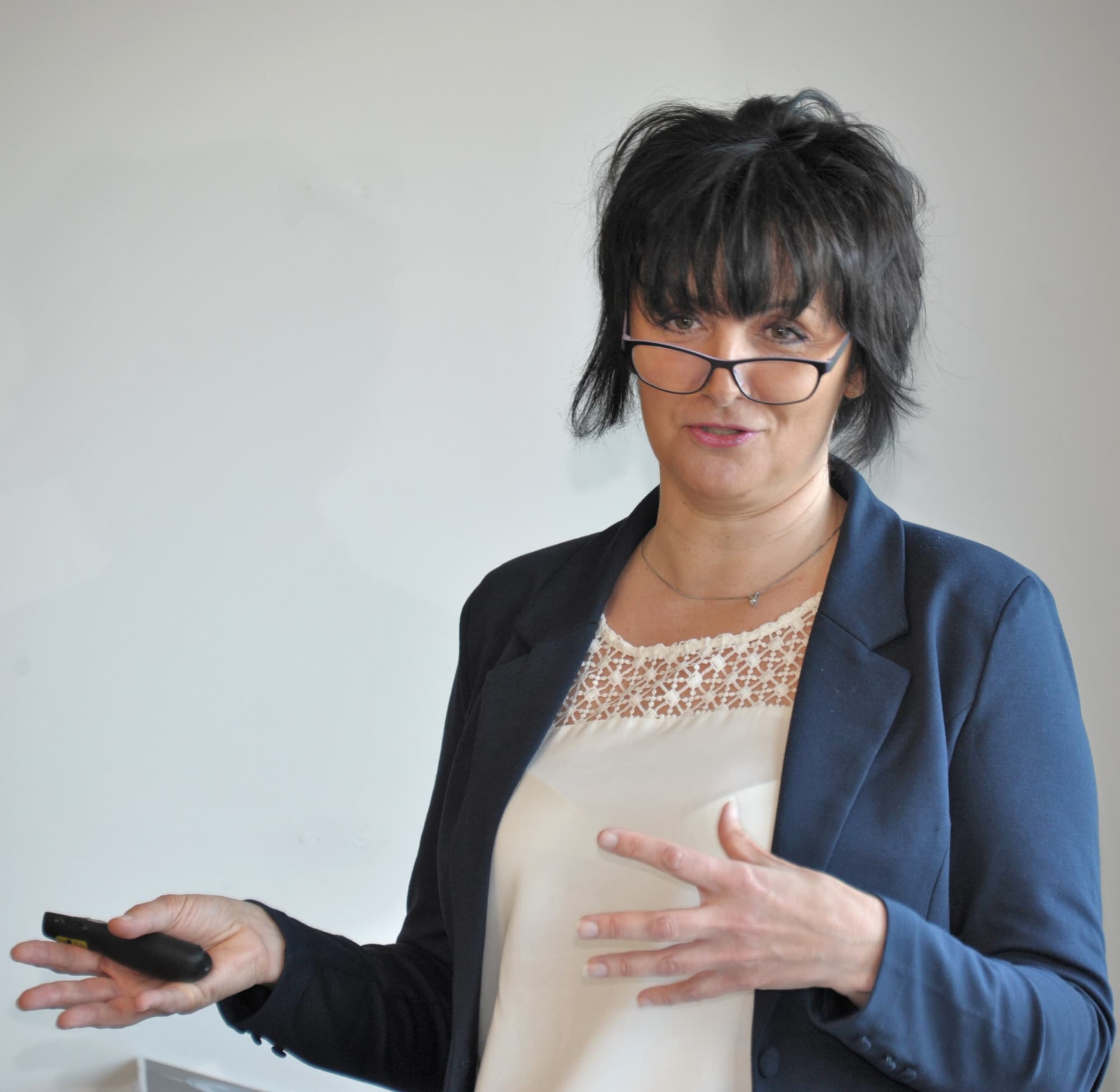
Project Manager Wenche Uksnøy Gabor. Norway’s marine ingredients industry is expected to grow by 7% annually and reach sales of nearly 8 billion euros by 2050.




Norway is busy preparing itself for the end of the oil and gas era and is focusing strongly on biological marine resources. The commercially utilizable marine area is six times larger than the country’s land area, and the fish stocks are among the world’s best managed resources. A significant reserve is, however, also to be found in marine by-products that have up to now not been sufficiently used.
The fossil fuel reserves off the Norwegian coast are running out and their extraction is becoming increasingly expensive with the result that profit margins are shrinking. In the search for economic alternatives Norway is now looking closely at the bio-economy which offers considerable potential for value adding. Sustainable management of the fish and seafood stocks sets very narrow limits on the fishing sector, however, and catch volume cannot be increased indefinitely. That is why Norway wants to push forward the development of aquaculture. “Bio-marine resources” (these include slaughter waste, trimmings, fish heads and guts) are a source of great hopes. About 850,000 tonnes of such products are produced every year but are currently hardly or insufficiently utilized. Even processing to fishmeal is not really an optimal solution for there is indeed market demand for a lot of the ingredients contained in the raw materials – ingredients that have a much higher potential value. With regard to cod and other whitefish species already 63% of the raw material is not used sufficiently. On average over the past few years the total value of Norwegian seafood production amounted to nearly 10 billion euros. Of that, a good three billion came from fishing and more than four billion from aquaculture, but only just under half a billion from “marine ingredients”, which mainly consisted of lipids (omega-3 fatty acids) and proteins that were extracted from the supposed waste. This is now to change, however, for Norway has set itself ambitious goals. By the year 2050 production from the fishing sector is to increase by 85% to six billion euros, from aquaculture by 600% to 28 billion euros, and the share of marine ingredients is to increase by 1,300% to 8 billion euros.
The implementation of this strategic plan has already begun: in Møre & Romsdal, one of the world’s most important seafood regions in which about 500 companies process 650,000 t of marine raw materials per year. Blue Legasea is a long-term project that was set up in the harbour town of Ålesund in 2009. Its aim is to coordinate and accelerate the sustainable, eco-friendly and value-added production of healthy products from wild caught marine biomass. Legasea is a kind of cluster that brings together about two dozen companies. It acts like a catalyst, supporting the different partners within this professional network and pushing forward the use of marine resources. Legasea’s main aim is to make better use of the marine resources than was previously the case, to increase value adding, and to develop internationally marketable products. At the centre of this interest are in particular marine lipids and proteins which are said to prevent or reduce the consequences of some lifestyle- and age related diseases. Wenche Uksnøy Gabor, the Project Manager at Legasea, draws attention in this connection to the omega-3 fatty acids DHA and EPA whose health value has been confirmed in more than 24,000 scientific publications. “The prevention and combating of the consequences of poor or incorrect nutrition costs the health service in western countries a lot of money. Marine ingredients such as omega-3 fatty acids, marine proteins and peptides are, however, real alternatives that can contribute towards solving these problems. They are playing an increasingly important role as food supplements, as additives in functional foods, and in pharmaceuticals.” Given this spectrum of benefits the name Legasea was well chosen for it sounds like “legacy”.
Thorough documentation of health claims
Legasea promotes the development and commercial use of such products, supports knowledge and technology transfer between the participating companies and hopes thereby to contribute towards the expansion of this industrial sector in Norway. “Normally it takes three to five years for a product idea to mature and reach the stage of commercial usage. We want to shorten this time. It would generate additional jobs in this area, enable enhanced value adding, and last but not least also contribute towards more raw materials – which are today still seen as waste – being used to good purpose.
But the time frame for developing new products cannot be shortened at will. The biochemical profiles of different raw materials have to be analysed and tested in research and development projects to define the substances that they contain. Special techniques are required to isolate the substances, and their bioactivity has to be demonstrated in clinical tests as a basis for sound health claims. And then, of course, suitable markets have to be found for the products. All of this takes time, costs money, and demands commitment and a certain staying power from the researchers. The prerequisites for this are particularly favourable in the Møre & Romsdal region because the companies based there can draw on considerable amounts of slaughter waste: damaged animals, fish heads and backbones, guts, livers, roe, belly flaps, swim bladders, and trimmings. Nearly all of this is fresh and of high quality because most of it comes from cod and other whitefish species that are caught for human consumption and so handled with care.
Efficiency of Norwegian fisheries has risen substantially
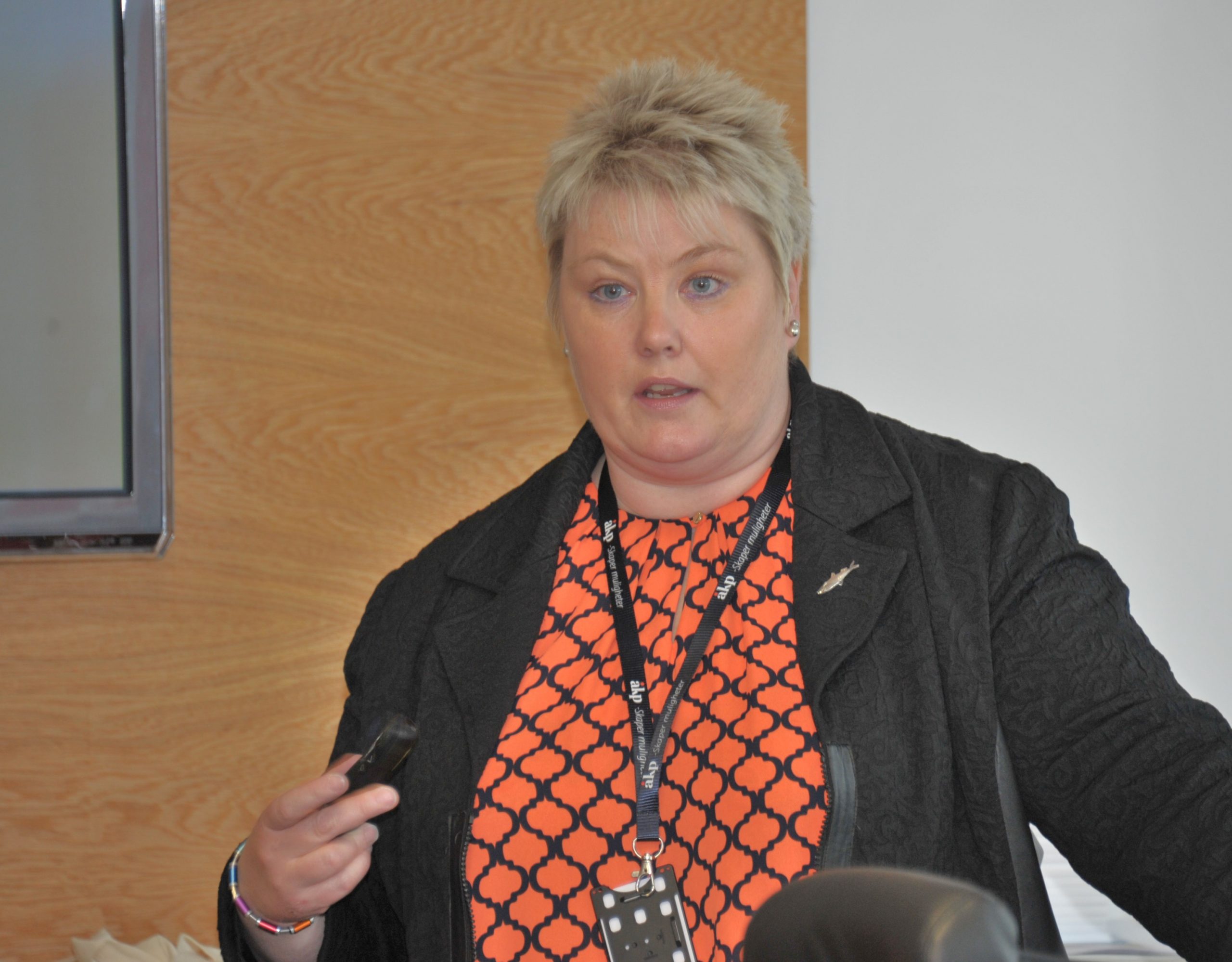
Norwegian fisheries policy is geared equally to sustainability and profitability, resulting in healthy stocks which constitute a solid basis for increased use of biological marine resources. The common fisheries management with Russia in the region of the Barents Sea has led to a clear increase in demersal fish stocks, says Senior Adviser Lena Brungot. They have been at record levels for several years which has enabled an economically lucrative fishing sector. The number of full-time fishermen fell by half from nearly 23,000 in 1985 to less than 10,000 in 2015, and the number of fishing vessels under 15m length fell during the same period from 25,000 to 5,000. Although the government has rarely granted financial aid since the mid-1990s the fishing industry has consolidated its structures and is today highly profitable. Processing companies in the north of the country mainly received support to maintain jobs there and promote regional municipalities. An important measure in this connection was the relocation of on-board fish processing to land-based companies. In the meantime, however, it was possible to loosen this strategy somewhat again: partly because frozen-at-sea whitefish fillets are partic
ularly popular on the markets and get higher prices, and partly because the utilization of marine by-products, whose value chain begins at sea, poses a real alternative which opens up new economic possibilities for the companies involved.
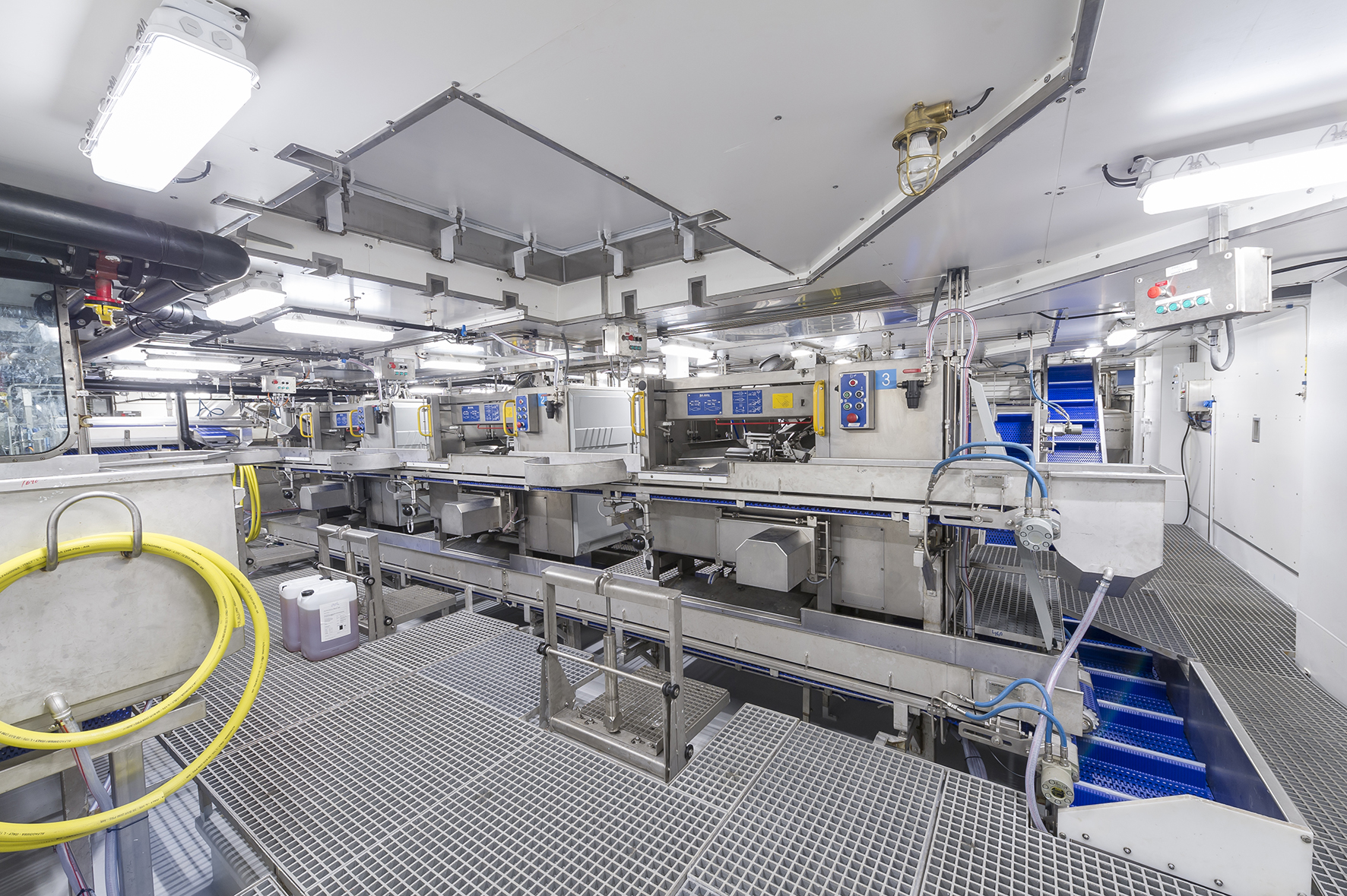
An example of this small change of course in Norway’s fisheries policy is the “Ramoen”, a new, ultra-modern factory trawler that is equipped with an on-board fully automated processing line. This makes it possible to fillet freshly caught whitefishes at sea and freeze them as shatterpacks. Key components of this vessel were developed by Rolls Royce which is also involved in the Legasea project. 5,300 people from the global company’s marine division are working in 34 different countries on efficient and energy-saving solutions for shipping and fishing. Worldwide already more than 25,000 vessels have been equipped with Rolls Royce components, particularly propulsion engines, winches and propellers. Fishing vessels are particularly technology-intensive, says Anette Bonnevie Wollebæk, the Senior Communication Manager of the Ålesund RR branch for the northern region. Extremely complex operations had to be carried out in a confined space, particularly when the fishes were processed on board. Every vessel was a customized design which, although based on prototypes, had to be individually adapted to suit the desires and needs of the user. Alongside technical, functional and ergonomic requirements energy efficiency was highly significant, for fuel consumption and carbon footprint played an important role in the fishing sector. The Rolls Royce developers and designers used the powerful CFD (Computer Fluidized Development) software package during construction with which it is, already on the computer, possible to optimize the hull of the vessel in terms of flow resistance and energy consumption. During harsh operating conditions over 200 sensors in sensitive areas of the vessel provide important information on the status, utilization, wear or any possible defects every second via data acquisition.
On-board fish hydrolysis instead of fishmeal production
Another technology manufacturer in the Legasea group is OptimarStette which offers customized machine solutions for fish processing on board and on shore. The spectrum ranges from machines for the stunning and humane killing of fish, freezing or palletising pre-packed products to fully automated production lines, partially with the integration of robot technology. Although as a specialist in complete factory design Optimar has a lot of experience in fish processing, fitting the production lines into the confined spaces on board a fishing vessel is always a challenge, especially since the operation on a rolling ship requires specialized knowledge. However, the Optimar developers have great experience in this field and have already equipped several fishing vessels with equipment for the processing of demersal fish, pelagic fish, squid and shrimp. Unlike in the past, when after the catch the cod lay iced in boxes up to the time of processing the fishes are now often kept alive for several hours on modern trawlers, which has a particularly advantageous effect on the quality of the fillets. Sales Manager Geir Espen Otlo stated that about 95% of the captured white fish are still alive when they are taken on board. Dead fishes are of course processed immediately, the others are put into tanks where they can reduce stress. The Optimar tanks can hold about 40 t of fish on board for intermediary storage. This is usually sufficient for processing the fishes one by one before the net is hauled in again with the next catch.
| Fish hydrolysate
Versatile raw material for feed and food During hydrolysis of fish, mostly offal, trimmings and other fresh by-products from fish processing, muscle fibres and other tissues are decomposed without heat exposure (“cold process”) by the fish’s own or added microbial enzymes and “liquefied”. The resulting product (hydrolysate) thus belongs to the group of enzymatically produced fish products. The processes involved in hydrolysis correspond chemically to the cooking and maturing of salt fish and marinades. Hydrolysates can be used as animal feed or processed into food supplements, pharmaceuticals and the like. The processes involved in hydrolysis are relatively simple. The raw material is broken down mechanically and enzyme preparations (only necessary if the raw material contains no viscera) and acid (sulfuric acid, hydrochloric acid or formic acid) are added to the resulting fish mash to lower the pH value. After a certain time the hydrolysis is stopped by inactivation of the enzymes. After that, the liquid protein-fat solution is often treated further in a tricanter to separate any solids that it contains (bones, scales, skin debris). The liquid phase is preserved by pasteurization or the addition of preservatives (for example, sulphites). Hydrolysate keeps for about six months if stored in the dark at 20° C. The raw protein content is between 12 and 15%, but it can be higher if water is removed in the course of the production process. The term “fish silage” which is sometimes used for fish hydrolysate is incorrect because silage is a vegetable product of lactic acid fermentation during which carbohydrates under absence of air are converted to lactic acid, carbon dioxide and other components. |
Keeping fish alive under adequate conditions for a short time on board the fishing vessel means that they can be processed largely stress-free. On the Optimar processing line they are first stunned electrically, individually killed, gutted and can then bleed for about 20 minutes before being frosted, packed and palletized. And the increased use of marine by-products leads to additional economic opportunities for Optimar. If the raw material can be processed fresh on board, the quality and yield is noticeably higher. Optimar favours hydrolysis techniques for the treatment of slaughter waste because they offer several advantages. Hydrolysis is not as technically complex and therefore less expensive than the traditional fishmeal production on board. It is carried out with enzymes at low temperatures, and is thus energy saving and gentle on the raw material. The hydrolysate can be put to various further uses as a liquid protein concentrate. In early March 2016 Nordic Wildfish – another player in the Legasea group – presented the F/T “Molnes”, the world’s first white fish factory trawler with its own hydrolysis plant for liquefying fish trimmings on board. The ship had been converted at the Vard Søviknes shipyard and equipped with Optimar technology.
< p style=”text-align: justify;”>The fact that hydrolysates open up the possibility of using marine fats and proteins more effectively was emphasized by Robert Wolff from SINTEF, the largest independent research organization in Scandinavia, which employs 2,100 people in over 70 countries. In addition to departments such as Ocean Space, Health and Welfare, Sea Technologies, Oil and Gas and Renewable Energies, fishing and aquaculture are also of great importance for SINTEF. The researchers are already now cooperating in individual projects at Legasea and soon SINTEF will even open its own branch in Ålesund to increase its presence in this important centre of the Norwegian fishing and fish processing sector.