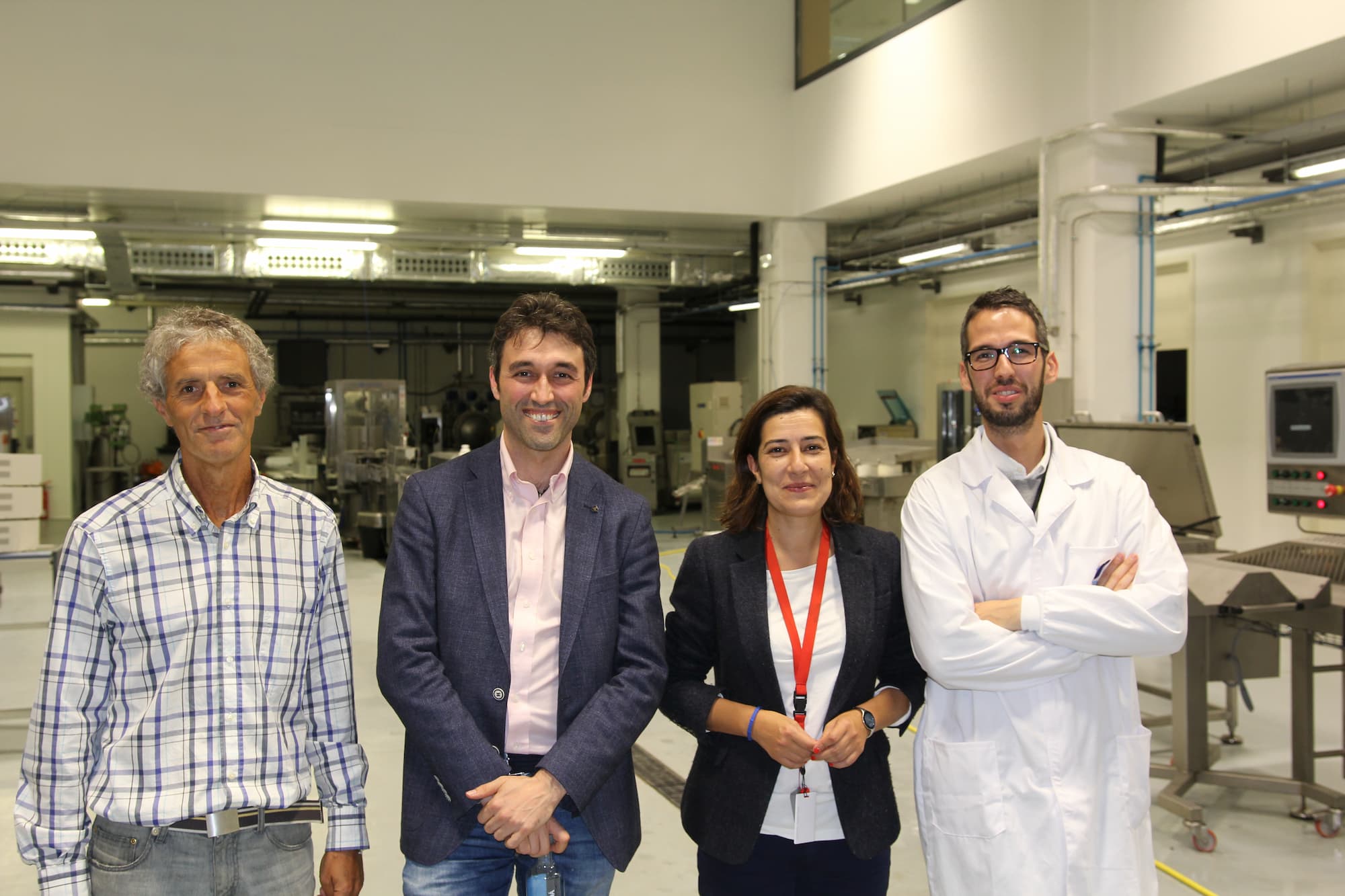
From left: Gonzalo Ojea, ANFACO; Jose Estors, FAO; Vanesa Moreno and Roberto Carlos Alonso, ANFACO. The Department of Training and International Cooperation at ANFACO organised a comprehensive tour of the new laboratory, CYTMA.

ANFACO started as the Union of Canning Manufacturers of the Vigo estuary in 1904. It grew to include all canning companies in Galicia some years later and today ANFACO-CECOPESCA, as it is officially called following a merger, has 240 members covering fish processors, equipment manufacturers and other suppliers from all over Spain, as well as some international members.
In 1949, a laboratory to support the canning industry was created, which has been periodically upgraded. In 2016 ANFACO inaugurated the Center of Advanced Technologies for the Marine and Food Industry Research and Innovation (CYTMA), a new 8.5 million euro and 6,300 m2 cutting-edge laboratory. The new facility which has been co-financed by the European Regional Development Fund, the Ministry of Economy and Competitiveness, and the Xunta de Galicia facilitates research in several different areas: health, food safety, preservation technologies, environment, exploitation of byproducts, process engineering (Industry 4.0), living resources, and aquaculture. The main focus is on fish, but it is used for other food industries as well.
Three main areas of operation
In connection with the Conxemar trade show in Vigo, Eurofish got a chance to visit the new CYTMA laboratory located at the ANFACO headquarters first hand guided by Gonzalo Ojea and Vanesa Moreno, from the International Cooperation Department at ANFACO. ANFACO currently employs around 100 people, of which 80 work at the technical department which is divided into 3 main areas: Analytical Control; Technical Assistance and Training; and Research, Development and Innovation.
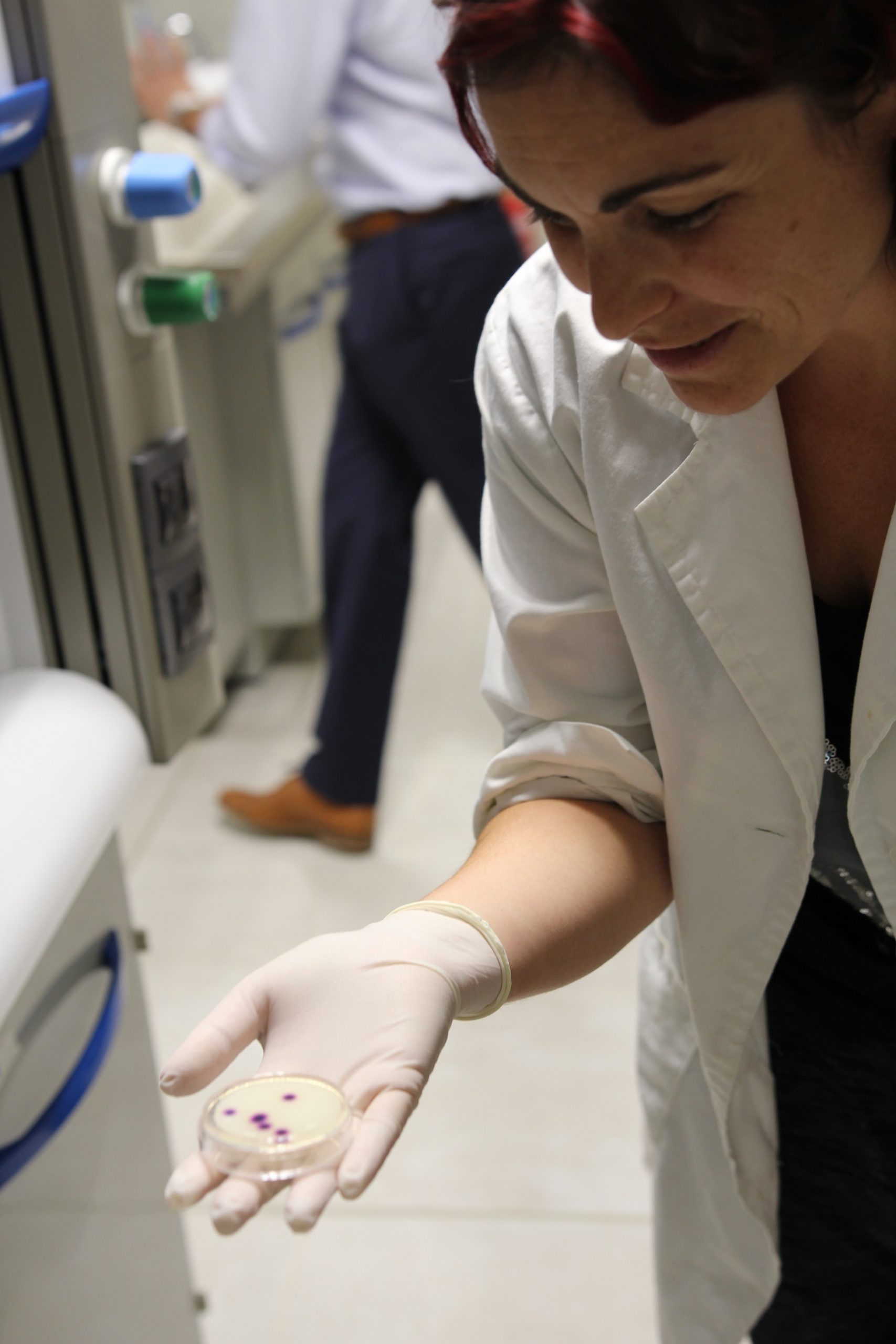
The Analytical Control area covers testing, product analysis, microbiology and sensory analysis. The equipment is very sensitive and very expensive, says Gonzalo Ojea. CYTMA remains the only Spanish laboratory accredited by ENAC (Entidad Nacional de Acreditación, a body designated by the government to assess technical competence in accordance with international standards) for species identification assays by DNA sequencing and phylogenetic analysis. These cutting-edge technologies require highly specialized technicians to operate the equipment and interpret the data. One example of the new machines is a mass spectrometer that, among other things, can be used to test for residual antibiotics in farmed fish. Getting facts from products helps association members better understand raw materials and communicate clearly with suppliers and customers. More than 18,500 samples were tested in 2015.
Cooperation with many countries
The Technical Assistance and Training area provides services primarily for private companies who need to improve their processes and develop new products. The laboratory also samples products from companies to ensure that they conform to the relevant legislation and that they comply with what is stated on the label. The work in this area extends internationally, particularly in terms of advice to non-European countries on how to meet requirements so their products can be exported to the European market. Ecuador, Brazil, Morocco, and several countries in Central America are examples. ANFACO is also working with Peru to help increase human consumption of anchoveta within the country. While this species is today primarily used for fish meal, ANFACO is advising on different ways of utilizing the fish to provide proteins for people in Peru, who in some areas suffer from malnutrition. The logistics for transporting frozen fish, use of canning options, and other alternatives for distributing anchoveta away from the coast will also help local development.
Using advanced technology to create potential solutions
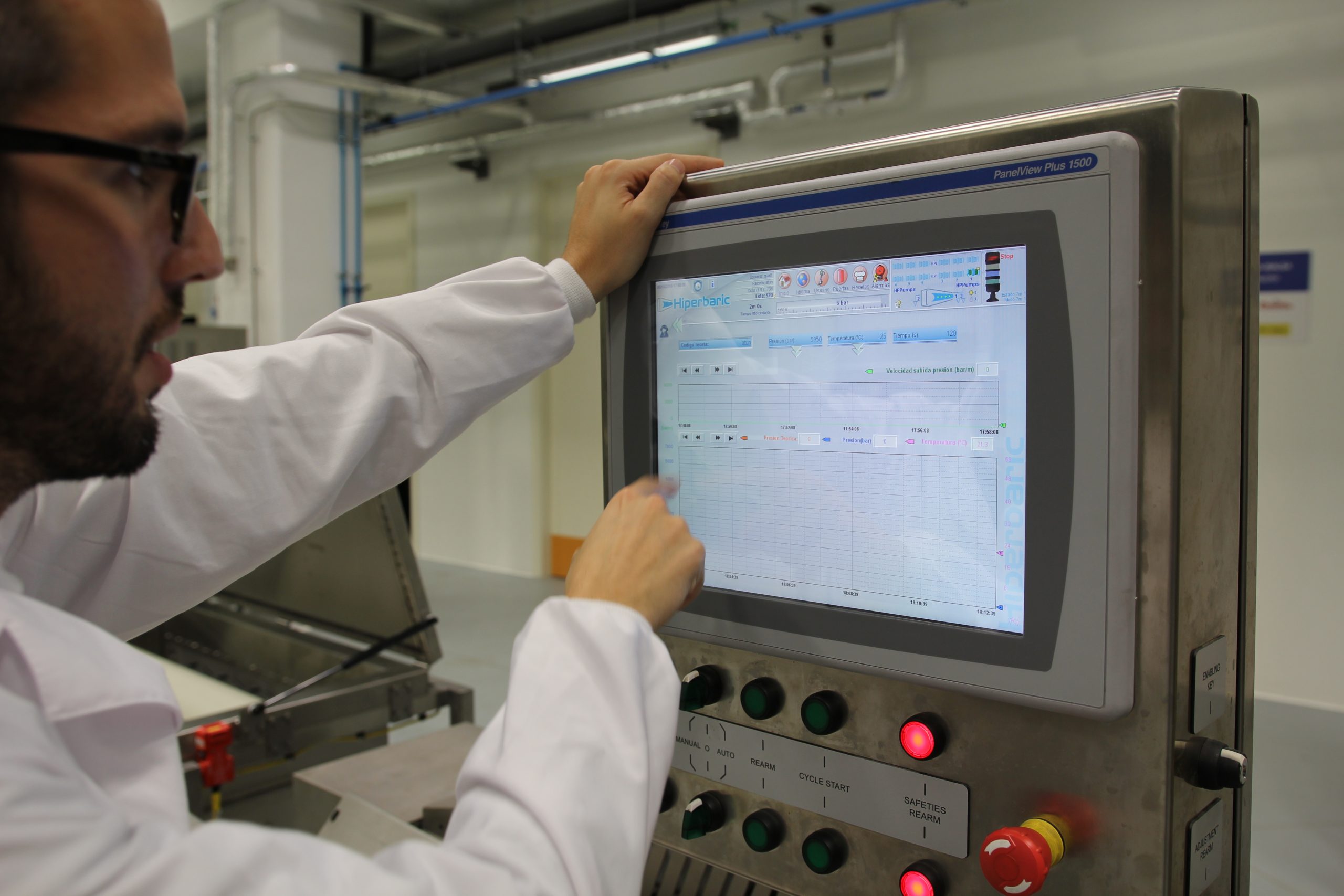
What happens in the area of Research and Development and Innovation is a small glimpse of the future. There are currently more than 70 ongoing projects at the laboratory in this area using technologies that include microwaves and radio frequency, ultrasound, induction, extrusion, and high pressurisation. Over four fifths of the projects are funded directly by companies. Developing new preservation techniques is an important research area, where a combination of different treatments such as pressure and/or temperatures could create higher quality products with improved nutrition, flavours, textures, and shelf life, clarifies Roberto Carlos Alonso, a process engineer in the department. Other examples include using ultrasound to improve the quality of, for example, frozen tuna; improving packaging systems for microwave heating; and increasing energy efficiency. “We are trying to anticipate the future,” Mr. Alonso adds.
The association is privately held, but is closely engaged with public institutions. The facilities are placed on the campus of the University of Vigo, and offers a master’s degree in the preservation of fish products. The laboratory does outreach activities, including cultural events and a museum for the canning industry that is visited by many schools. Much of the Spanish fishing and especially the canning industry is located in Galicia making the location of the new lab ideal for its members whom it has served for over 100 years.
Thomas Jensen, thomas.jensen@eurofish.dk