The fisheries sector in Serbia comprises freshwater commercial fishing, recreational fishing, and aquaculture. The latter two are responsible for the bulk of the production.

Inland waters in Serbia comprise rivers, of which the Danube (the longest), Sava, and Tisza are navigable, two natural lakes and several artificial lakes. These resources support a commercial freshwater fishery, a recreational fishery, as well as an aquaculture industry. The freshwater fishery in Serbia is organized on 65,980 km of rivers and streams and about 150 artificial lakes and reservoirs. The northern parts of Serbia have 30,000 km of canals, which are also suitable for fishing.
There are 110 freshwater fish species (lamprey and Actinopterygii) registered in Serbia. Of this 23 species are allochthonous and 12 can be characterised as invasive. Of the total, 53 species including ten allochthonous species are of interest to the commercial and recreational fishing sectors. Twenty-nine species are commercially important and 12 of these are the most commonly caught. Recreational fishers target approximately 45 species. A permanent ban on fishing currently applies to 28 species and a temporary ban to 17 species.
Sturgeon conservation measures bear fruit
The conservation of sturgeon species in the Danube River basin is a priority for the Republic of Serbia. The adoption in 2003 of a regional strategy for the conservation and sustainable management of sturgeon populations in the north western Black Sea and Lower Danube River in accordance with CITES has led to an improvement of sturgeon stocks in the Danube River. Since 2008 a permanent closed season for fishing sturgeon species has been in force. Sterlet (Acipenser ruthenus) is the exception to the ban, but its minimum landing size has been increased to 40 cm. Moreover, an action plan for sturgeon species in the waters of the Republic of Serbia has been enacted. The plan includes proposals for the Inland waters in Serbia comprise rivers, of which the Danube (the longest), Sava, and Tisza are navigable, two natural lakes and several artificial lakes. These resources support a commercial freshwater fishery, a recreational fishery, as well as an aquaculture industry. The freshwater fishery in Serbia is organized on 65,980 km of rivers and streams and about 150 artificial lakes and reservoirs. The northern parts of Serbia have 30,000 km of canals, which are also suitable for fishing.identification, and protection of the fish and measures for supporting the survival of endangered sturgeon species. It also suggests ways to minimise the effects of factors threatening the fish. The sturgeons are a flagship species of the Danube River with unique value for biodiversity, both from the scientific perspective (as “living fossils” and as indicators of good water and habitat quality) and from socio-economic considerations (healthy and properly managed stocks could sustain the livelihood of residents).
The Republic of Serbia is divided into sixteen fishing districts which are assigned to fishing district managers through a competition under conditions regulated by law. Fishing districts may be conceded for use to a commercial company, public enterprise or other legal entity.
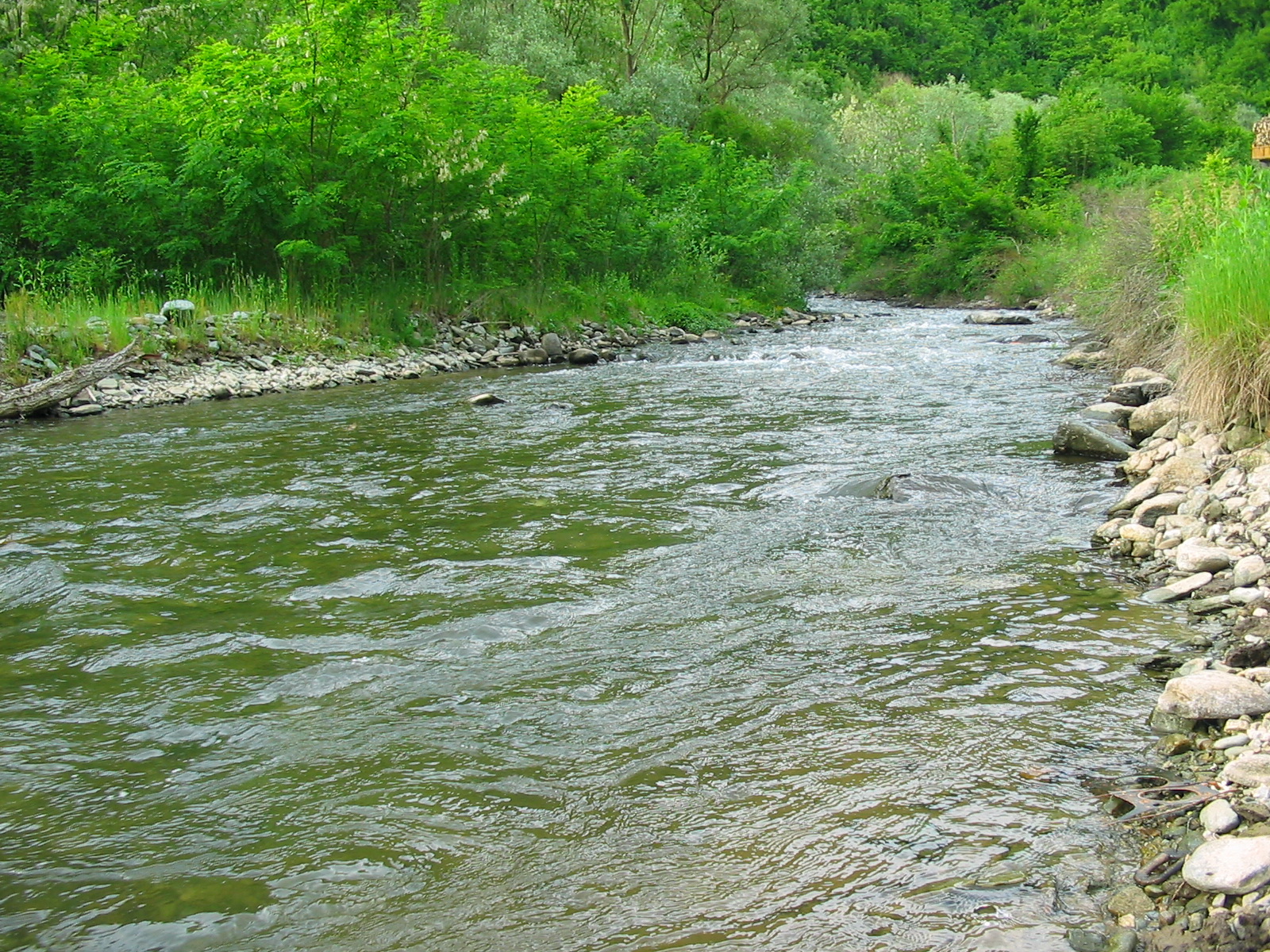
Commercial fishing is carried out on the Danube, the Sava and the Tisza rivers. In accordance with the regional conservation strategy for sturgeons, fishing on the Danube River from 863 km to 860 km (the hydroelectric power plant Djerdap II) is prohibited. Fishing vessels are small in size (less than 6 m in length) and are located on the Danube, the Sava and the Tisza rivers. The gears used include gillnets and seines as well as longlines that may have up to 100 hooks and traps. In 2014 there were 472 commercial fishers, as opposed to 500 in 2010. The number of fish keepers has however increased significantly to 457 in 2014 from 209 in 2011.
Commercial and recreational fisheries exist side by side
Commercial fishing licenses are issued by the fishing district manager. The number of licenses is established by the Fishing District Management Programme which is subject to approval by the Minister of Environment and Spatial Planning. To obtain a fishing license the fisherman must be registered as a commercial fisherman, for which he must have passed the professional exam for commercial fishermen. The average annual number of commercial fishermen licenses issued is about 480 with a slightly declining trend since 2009. Recreational fishing is practiced in all Serbian waters. A fishing permit is valid for the whole territory except for protected areas where a permit issued by the manager of the protected area (6.2% of Serbian territory) is necessary. The number of permits issued for recreational fishing varies from 80,000 to 100,000. The total recorded catch of commercial and recreational fishermen varied from 2,631 t in 2006 to 3,591 t in 2014. Over the five years to 2014 recreational fishermen’s catches averaged 61%, although in 2014 it increased to 75% due to a significant drop in commercial catches.
Fish farming is primarily carp and trout
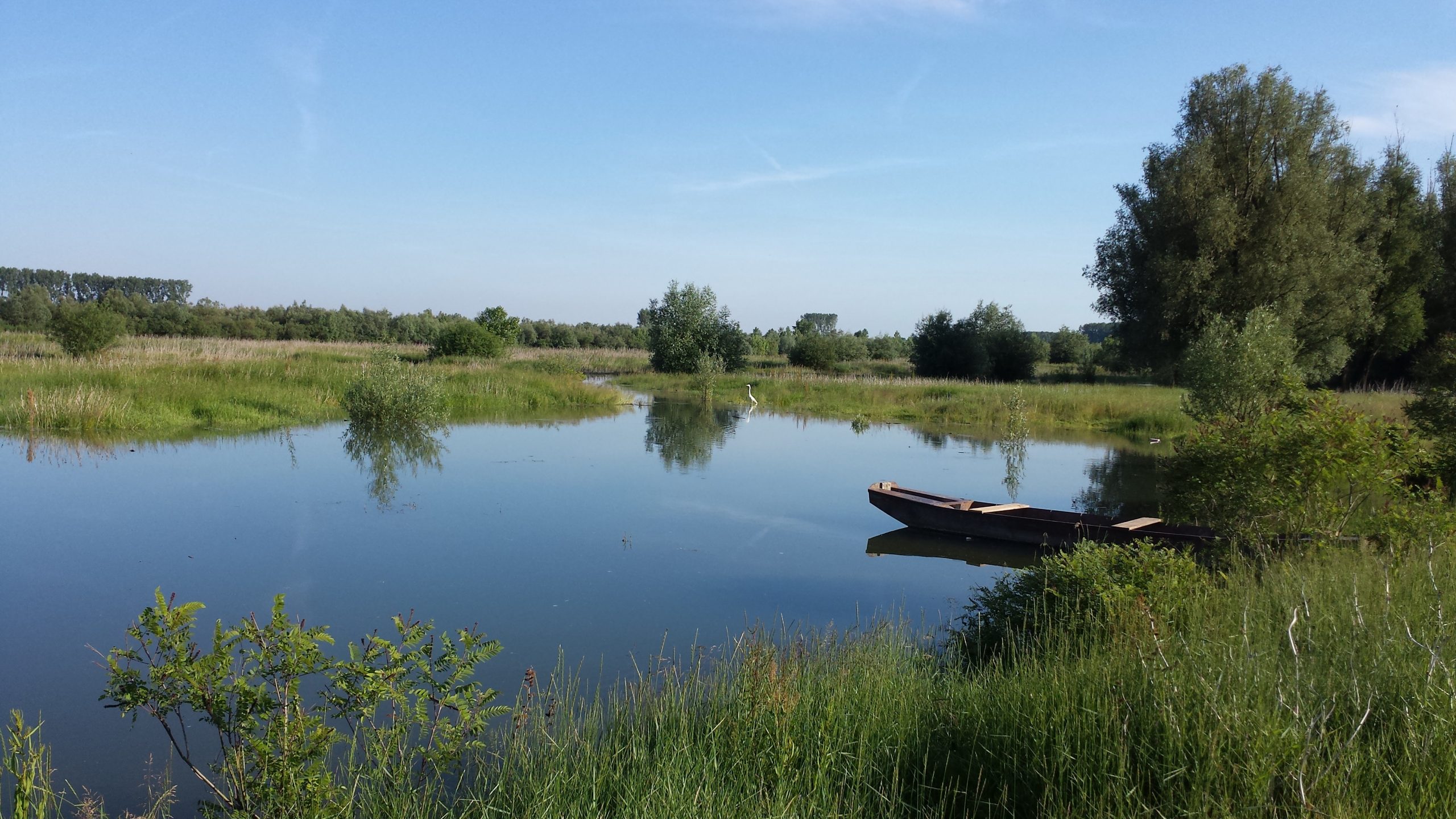
Aquaculture in Serbia is the production of freshwater fish, primarily carps and trout. Production of both has been fairly stable over the five years to 2014 varying between 6,300 and 7,300 tonnes of carp and 750 and 850 tonnes of trout. The pond surface dedicated to carp farming has also stayed roughly constant at 8,700 ha, but the area of trout ponds has increased significantly from 37,000 sq. m to 50,000 sq. m in 2014. Over seven tenths of the carp produced is fish for consumption, while the rest is fry produced either for sale or to restock the farmers’ own ponds. Common carp accounts for the overwhelming majority (85%) of the production, while bighead carp, grass carp and other species contribute the rest. Among trout farmers 90% of the production is fish for consumption, and the remainder is young fish.
Demand for seafood must be met from imports
Fish and seafood form a very small part of Serbia’s total trade in agriculture products; imports amount to 7% or the total, while exports are less than a quarter percent. In 2013 the trade deficit for fisheries products amounted to some EUR60m. In absolute terms some 30,000 tonnes of seafood was imported for a value of over EUR60m in 2014 from the EU, CEFTA (Central European Free Trade Agreement) countries, and other countries. This latter group supplied over half the imports, while the EU was responsible for about 30% on average between 2009 and 2013.
Mirko Novakovic
Ministry of Agriculture and Environmental Protection
Republic of Serbia