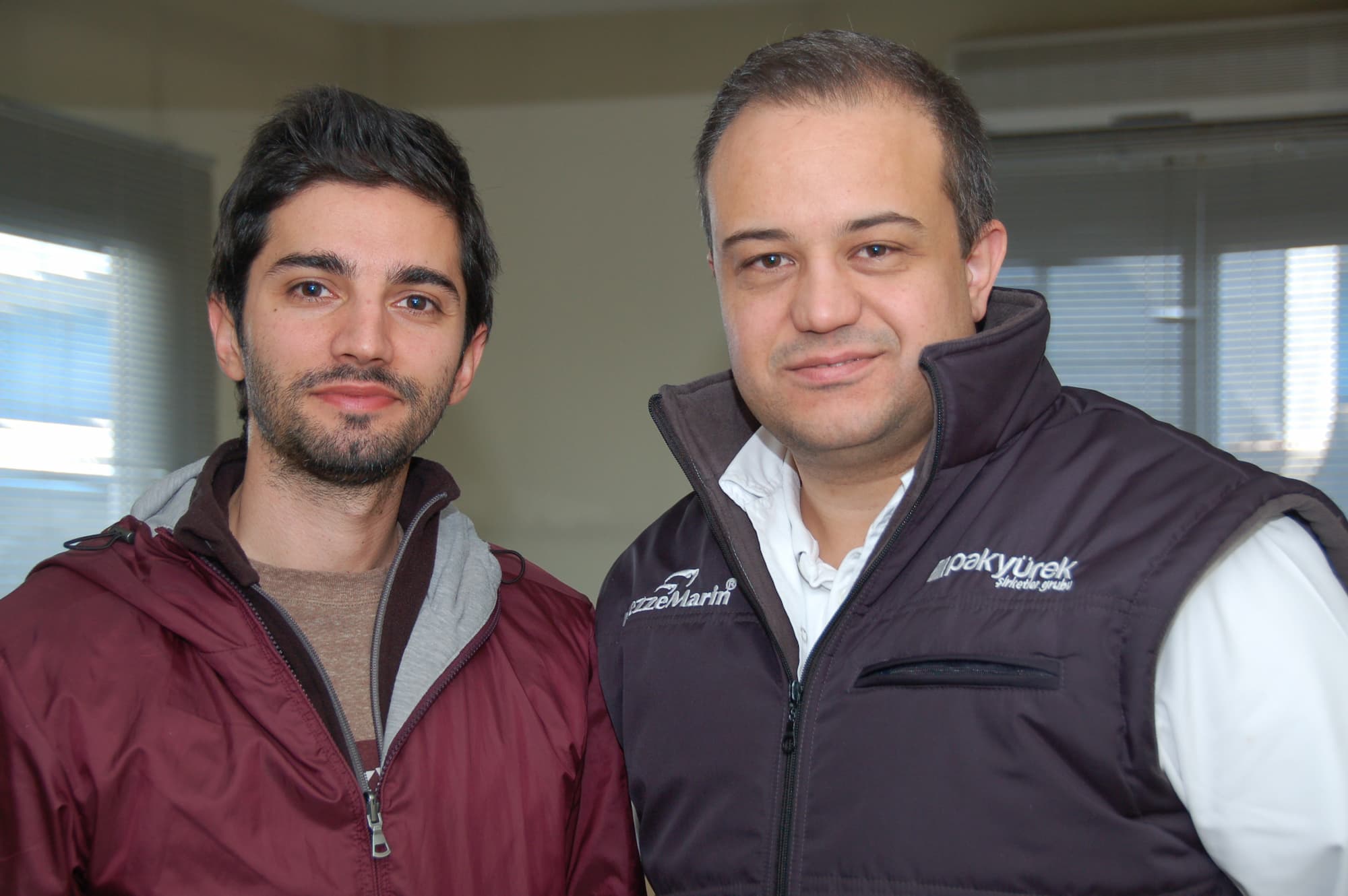
Anil Goksel, Chief of Imports and Exports and Emre Aydinoglu, Chief of Production for value added products

Pakyurek, based in Adana in the south of Turkey along the Mediterranean coast, produces a range of fish and seafood products for the domestic market and for export. However, one of the company’s most important items is land snails, which are exported to France.
Pakyurek is a family-owned company that was founded in the 50’s by the father of the current owner. Until the 70’s cotton was the chief export, but thereafter it diversified in to snails and frogs. For a while all three products were being exported, but then developments around the world made it difficult to continue exporting cotton. The company dropped cotton and started exporting fish instead.
Mezzemarin is a well-known brand in Turkey
Anil Goksel, chief of imports and exports, says that with the move to fish the company also began processing products in ways that had not previously been tried in Turkey, such as by marinating. Around the turn of the century, however, economic changes both within and outside Turkey reduced the margins from exports and the company decided to switch its attention to the domestic market. This resulted in the launch of the brand Mezzemarin, a range of seafood snacks, intended for the domestic market. The word Mezze refers to a selection of snacks often consumed at the beginning of a meal in Turkey. The export market is different, says Mr Goksel, there the company does not export under a brand, but sells goods in bulk which are then repackaged and sold under other labels. From 2005 to 2010 the company focused on domestic sales though continuing on its export markets too. Until 2010 the domestic market was very profitable, demand was high, but supply was low and the company saw an opportunity importing raw materials directly and selling them on the domestic market. Until then all the raw material for the production whether imported or not was obtained from the domestic market.
Mackerel for example was purchased from local suppliers even though the fish was imported. Setting up a network of suppliers abroad was a long procedure, says Mr Goksel, that called for extensive travel, identifying suppliers and negotiating agreements. Contracts were signed with companies in Norway, Iceland, Denmark, Belgium, India, Viet Nam, China and others. Today Pakyurek has three broad activities, import and sales of fish and seafood on the domestic market, export of snails, and processing. On the domestic market the company’s main customers are cash and carry shops such as Metro, and two Turkish retail chains, Bim and A101. The latter have stores all over Turkey, so although not as big as Metro or Migros they reach into every corner of the country. On the other hand, while Metro takes all the company’s products, the two retail chains will each only sign contracts for one or at the most two products. Because they are so numerous they have a good feeling for what the market is looking, what products are trending, and what is likely to be the next big thing. Pakyurek started selling anchovy fillets through these retail chains but then switched to Norwegian mackerel fillets a year later as anchovy catches fell.
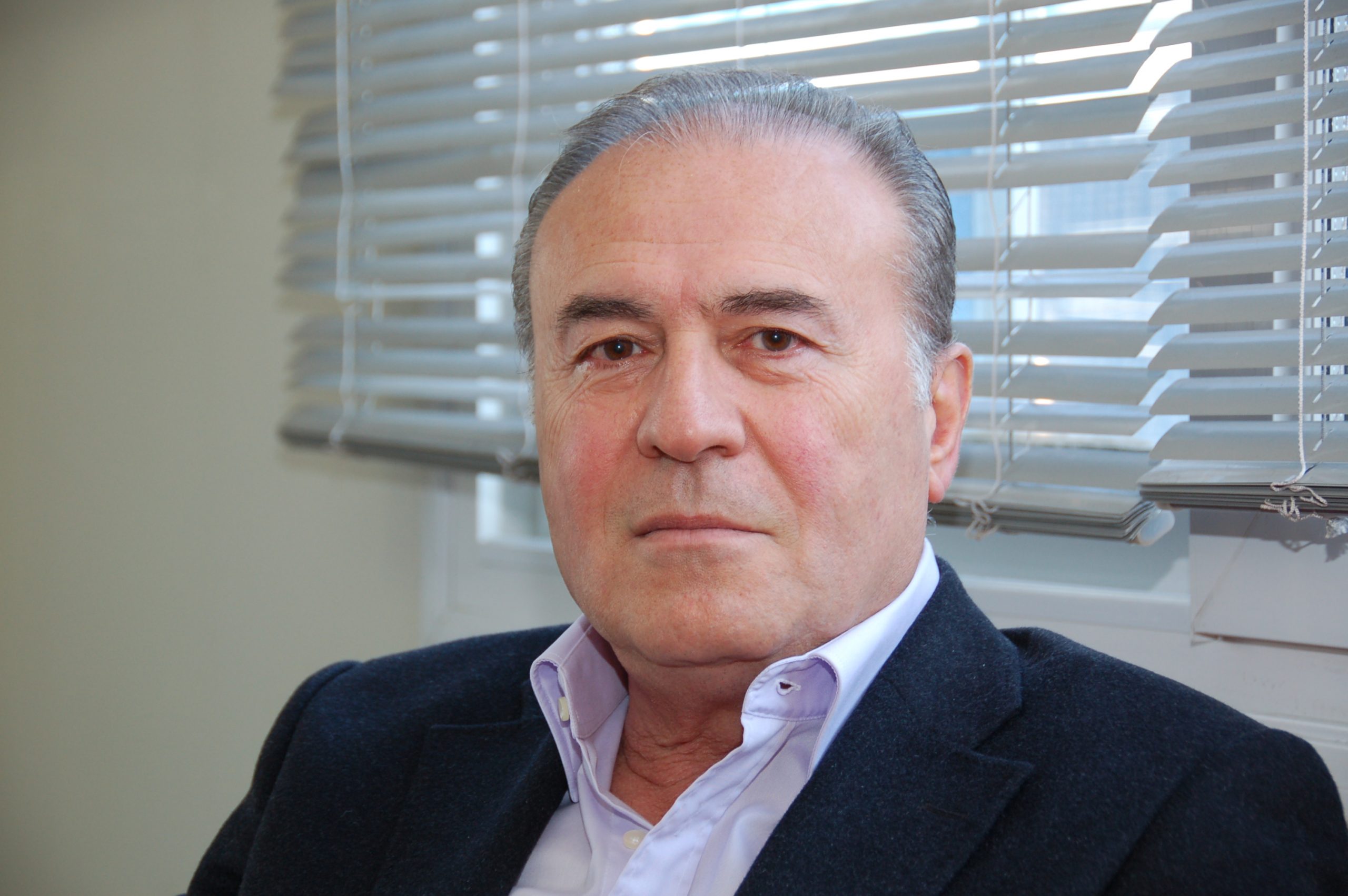
Health, sustainability are important product attributes
In this instance the mackerel from Norway is imported whole round and block frozen, and Pakyurek makes fillets from the fish without thawing it. Mackerel, anchovies, salmon, and snails are probably the company’s main products. Mackerel is not only sold as fillets, but is also prepared in different ways, for example, smoked, smoked and marinated, or dried and marinated, which is a Greek-inspired preparation. Salmon sales are increasing in Turkey, though it is still a product for the upper end of the market. But the potential of the market has got major producers opening offices in Turkey. This has made it much easier to obtain fresh salmon in small volumes at regular intervals instead of importing it in bulk directly from the producer in Norway. At the Pakyurek factory fresh raw materials are not stored, the fish is processed and then frozen unless it is marinated. Both freezing and marinating give a longer shelf life. The company also has a production of seafood salads and pike perch. The processing facility is divided into smaller rooms with different activities. The workers process anchovies, mackerel, or snails and, as Mr Goksel says, they become experts at rapidly processing the product. After two months at one activity they move onto something else so that they are familiar with all the different products that are manufactured in the factory. Since the volumes of an individual product are not very large it is more efficient to do the work manually rather than using machines. It also means that production can be rapidly switched from one product to another. This kind of flexibility is very useful for making the wide variety of high value products that Pakyurek specialises in. These also fulfil another of the company’s aims, which, according to Behic Pakyurek, the chairman of the board, is to encourage Turkish people to consume more fish and seafood by making them aware of the taste and the health benefits.
Potential markets in Central Asia
| Pakyurek | |
|
Adana, Turkey
Chairman of the Board: Behic Pakyurek |
Main species: Anchovies, salmon, mackerel, snails Product forms: Smoked, frozen, marinated, dried. Exports: Land snails (80%), seafood (20%) Markets: Turkey, France, Germany, US |
Ove
r the years Pakyurek has introduced products on to the market and then replaced them as customers lose interest. According to Mr Goksel, products need to be readily available, reasonably priced, high quality, healthful and, increasingly, sustainably sourced, if they are to be successful. Developing such products relies on feedback from the sales team who are constantly interacting with the customers and who get valuable insights into what products are trending. In addition, the company management has many years of experience in the business and they too travel both within Turkey and outside and return with new ideas for products. Domestic sales, which are almost entirely seafood, have been growing strongly and today amount to about three fourths of the total, while exports have been more or less stable. One of the reasons is that Syria and Iraq, two of the company’s main markets in the past, are largely inaccessible, says Mr Pakyurek, however, he has hopes that once these countries return to normal they will once again be open for business. Iran, Russia, Ukraine, and some of the Central Asian republics are also interesting as potential markets.