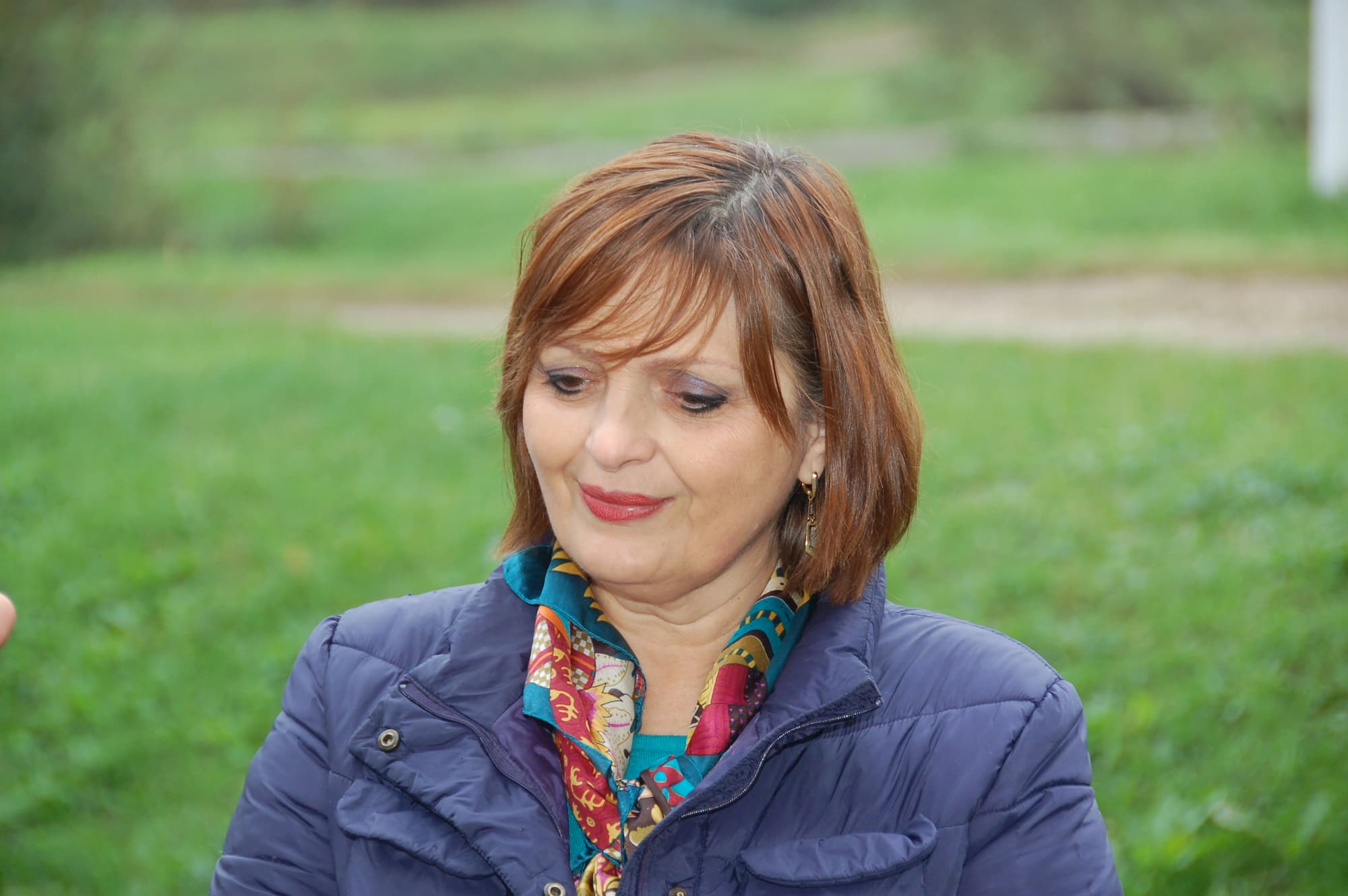
Dr Miora Costache, Director, Fish Culture Research and Development Station Nucet

The Fish Culture Research and Development Station Nucet was founded in 1941 to contribute to the development of freshwater aquaculture in Romania. The institute has been responsible for the creation of strains of common carp and for the development of rearing technologies for most of the freshwater species that grow in Romania. It has also played a major role in the introduction and acclimatization of new species such as Chinese carps in the 70s as well as pike-perch, pike, and paddlefish.
Today the institute’s main areas of research are carp genetics, farm productivity, and, more recently, sustainable farming. Dr Miora Costache, the director, has also initiated a few small projects to study recirculation aquaculture, a technology which she feels has a role to play in areas where there are constraints on space or water. However, she is also of the opinion that in Romania there is no shortage of either, in fact there are plenty of unused ponds that could be used to farm fish in an economically and environmentally sustainable manner, and therefore the pond farming sector still has a lot of potential to exploit.
Stocking material from all main species
Cyprinids are the most widely cultivated fish in Romania amounting to 86% of the total production of farmed fish in 2013. At the institute three strains of common carp, one of which was developed at the institute, are selectively bred to enhance certain traits like the speed of growth, resistance to disease, and time taken to reach sexual maturity. These traits are highly desired by farmers and one of the institute’s most important activities is to produce stocking material that reflects these characteristics. Common carp and Chinese carps are the main species that are bred for stocking material, but the institute also maintains broodstocks of European catfish, pike and pike-perch and can deliver stocking material from these species on request.
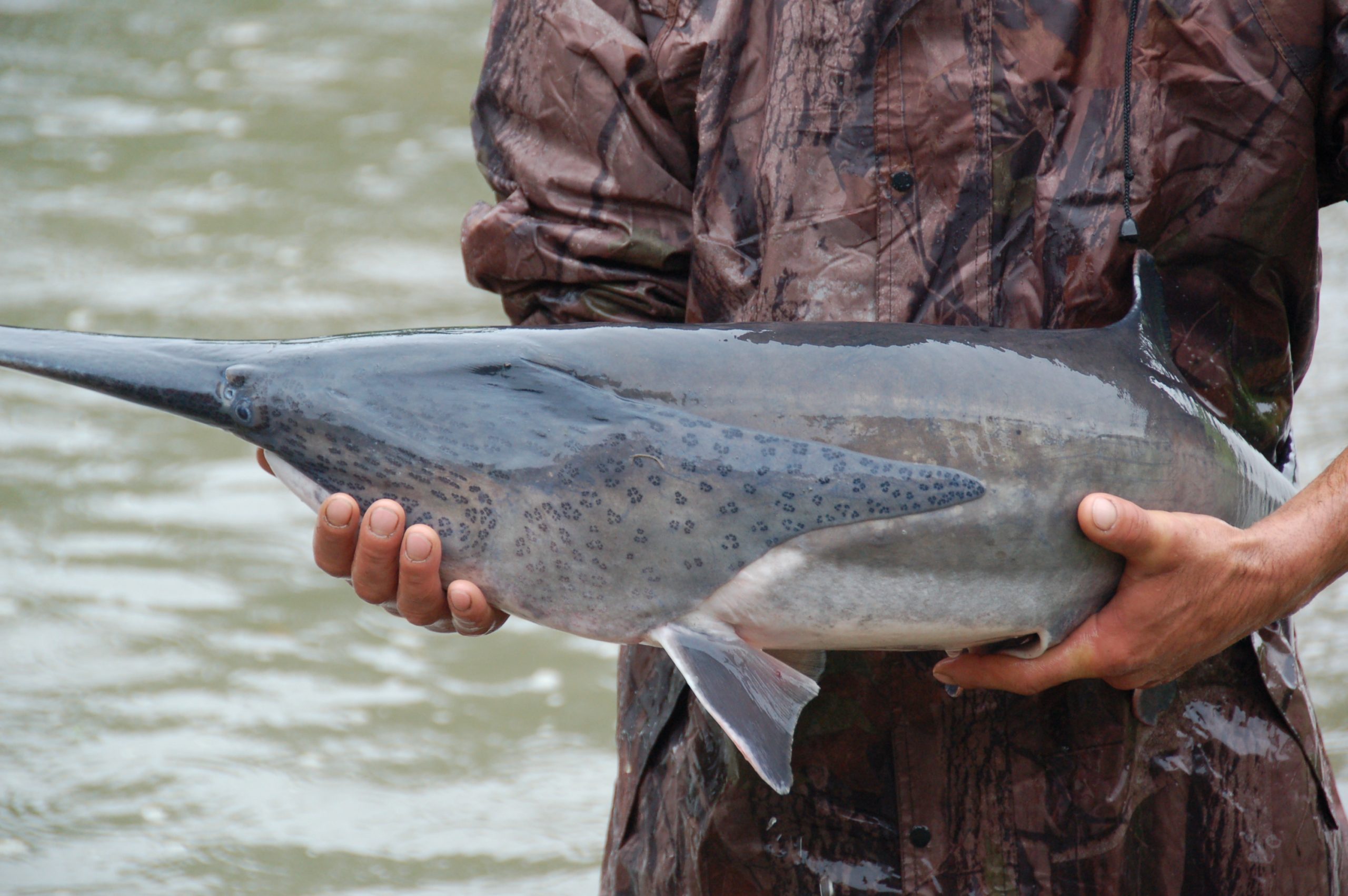
A species that Nucet has been working on for the last 25 years is paddle fish (Polyodon spathula), a native of the Mississippi river in the US. It is a rapidly growing fish that feeds on plankton and has an upper jaw that is elongated in the form of a paddle that may help channel the plankton into the mouth of the fish. The fish is related to sturgeons and like them can also grow very large, up to 2 m in length and 70 kg in weight. The work on paddlefish, which started in 1992, finally produced a breakthrough a decade later when the institute managed to reproduce it artificially. Since then the institute has maintained a broodstock of paddlefish and has been able to supply the stocking material. Although a meaty fish without bones, Paddlefish is not wildly popular in Romania, but production has been fairly consistent at 100-200 tonnes a year, according to Catalin Platon, the executive director of Romfish. It is produced at some 20 farms across the country, and Dr Costache is seeing increasing demand from Bulgaria and Slovakia for fertilised paddlefish eggs. Romanian farmers in contrast prefer one summer old fish as they are then big enough to make them uninteresting for predators. The problem with paddlefish is that they are both slow moving and prefer to swim at the water surface, which makes them highly vulnerable to birds like cormorants. On the other hand, they are easy to grow and a pond farmer can easily incorporate paddlefish into the mix of species already in the pond without needing to change anything on the farm.

Challenges facing aquaculture need to be studied if sector is to develop
| Fish Culture Research and Development Station Nucet | |
|
137335 Dambovita Tel.: +40 245 267009 Director: Dr Miora Costache | Activities: Research in genetics, aquatic ecology, reproduction physiology and ichthiopathology, aquaculture technologies; commercial production of fry and fingerlings of some 15 freshwater species; broodstock of 40 species Facilities: 110 ha ponds, three hatcheries with a capacity of 200m fry per year, laboratories Employees: 50 including 14 scientists |
With its 110 ha of ponds, three hatcheries, and all the other machines and facilities necessary for a modern aquaculture farm, the institute is well equipped to carry out its research activities and small-scale production. Today there are some 50 people working at the institute of which almost a third are scientific personnel most with Ph.Ds and almost all of them young people. Managing to attract and hold talented young people is an achievement in itself as many prefer the opportunities and the lifestyle offered by city living to working in a relatively remote rural setting. Young people bring a vitality and energy to the institute that is invaluable, says Dr Costache, despite their lack of experience, but it has been a struggle particularly as the institute receives no funding from the state and is entirely self-financed. The production and sales of stocking material of different species is one of the main sources of income for the institute, and this is supplemented by participating in tenders for national and international projects. Dr Costache is hoping that the new emphasis on aquaculture in the Common Fisheries Policy will also lead to the availability of funding that supports the research-based development of aquaculture in Romania. There are many challenges facing the sector including the effects of climate change, impacts of intensification, introduction of new species, and need to replace fishmeal and fish oil in feed with more sustainable products. In addition, many pond farmers are interested in more research that shows the contribution their activities make to biodiversity. A role for research is envisaged in the Romanian multiannual strategy for aquaculture and the director hopes that this will be implemented in its entirety.