Turkey produces more farmed trout than any other farmed species. Of the total farmed fish production, trout amounted to 45% in 2015 thanks to the almost 2,000 inland fish farms that exist across the country.

 |  |
The presence of plentiful water in the form of rivers, lakes, dam reservoirs, and artificial lakes is among the reasons that trout production has multiplied. One of the companies that illustrates this growth is the family-owned Özpekler, a farmer and processor of trout that was established by Mustafa Özpek in the 80s.
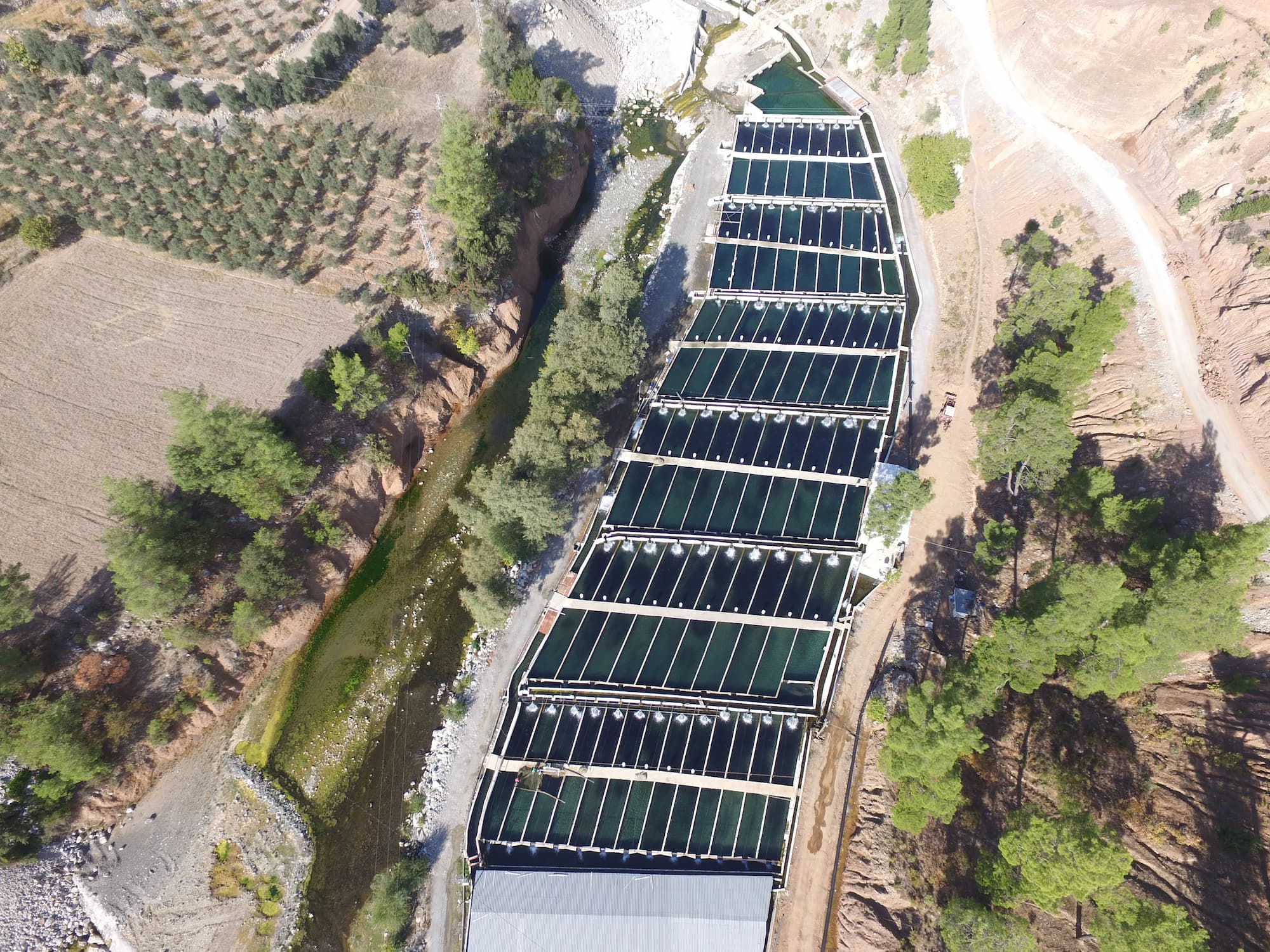
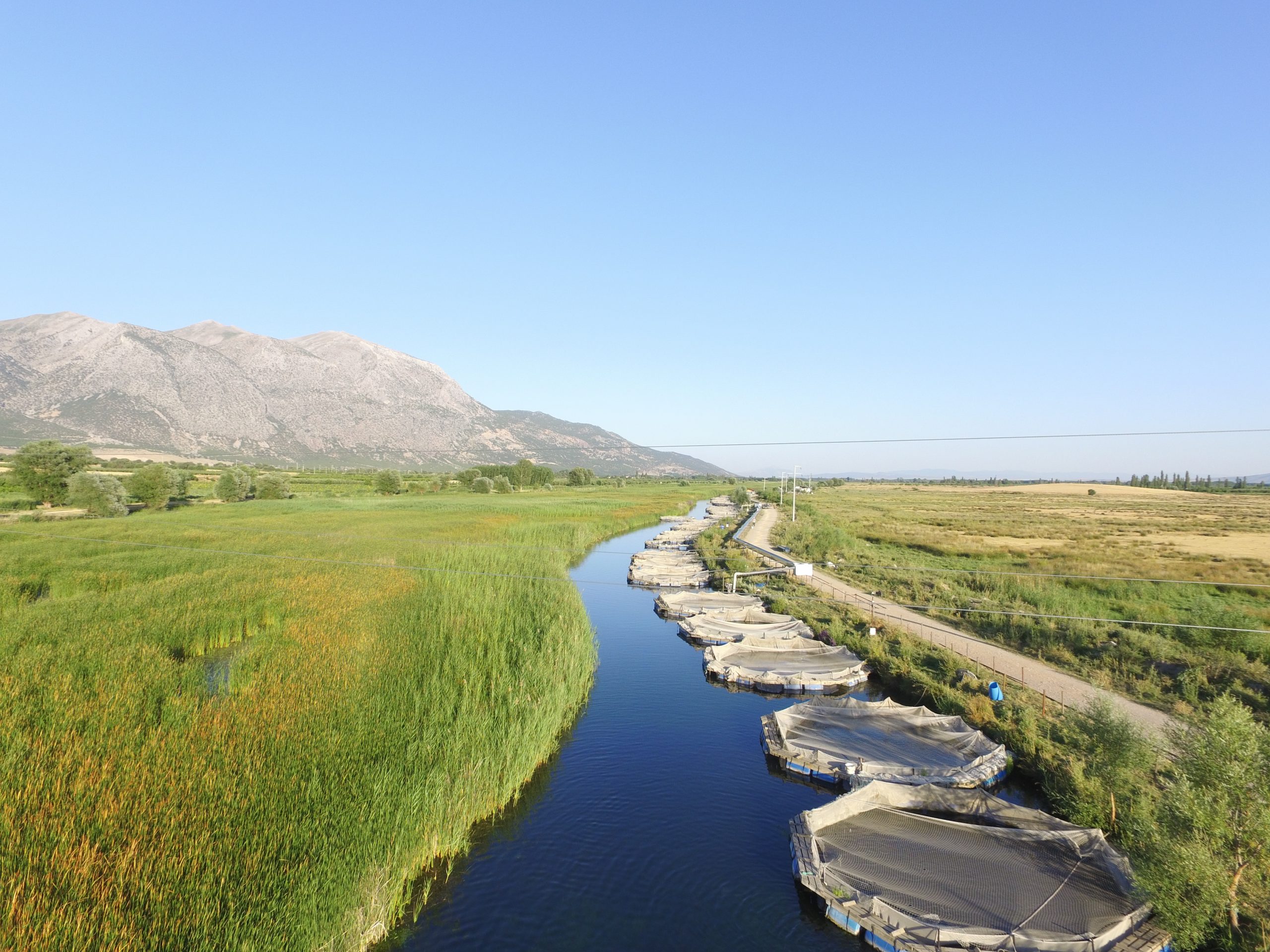
Farming sites use raceways, cages
Mr Özpek was one of the pioneers of the Turkish trout aquaculture industry farming trout initially in the mid 70’s. After a break for six years the family started the activity again in the late 80s, beginning with a farming site that had a capacity of 40 tonnes and gradually increasing it to 200 tonnes. Over the years, the company acquired or established other farms, so that today the company can boast ten sites including a hatchery. At most of the fish farms flow through systems with concrete raceways are used to cultivate the fish, but at two of the sites cages have been deployed. All the farms are at a radius of about 125 km from Denizli in the western part of the country and the site of the first farm.
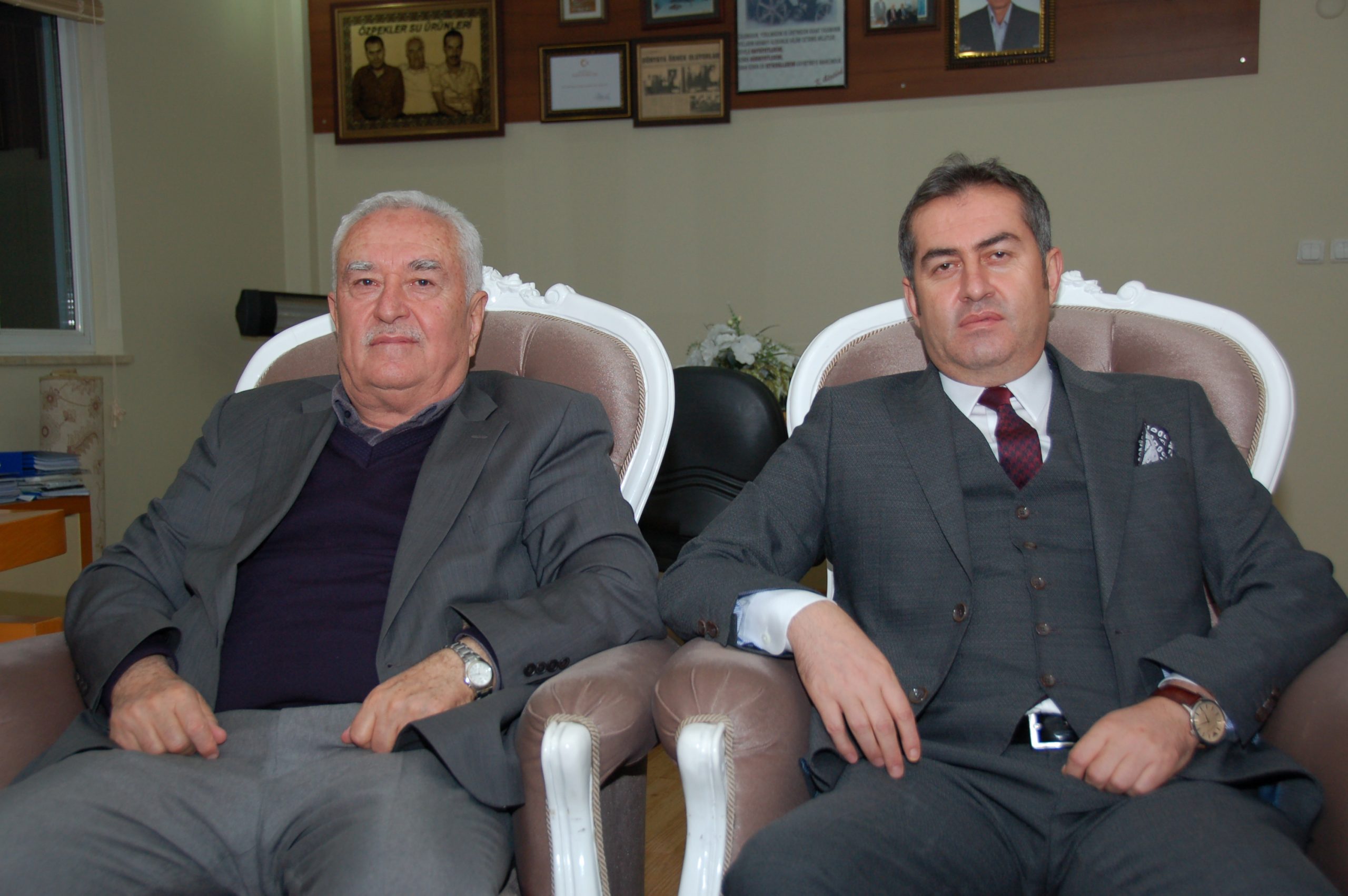
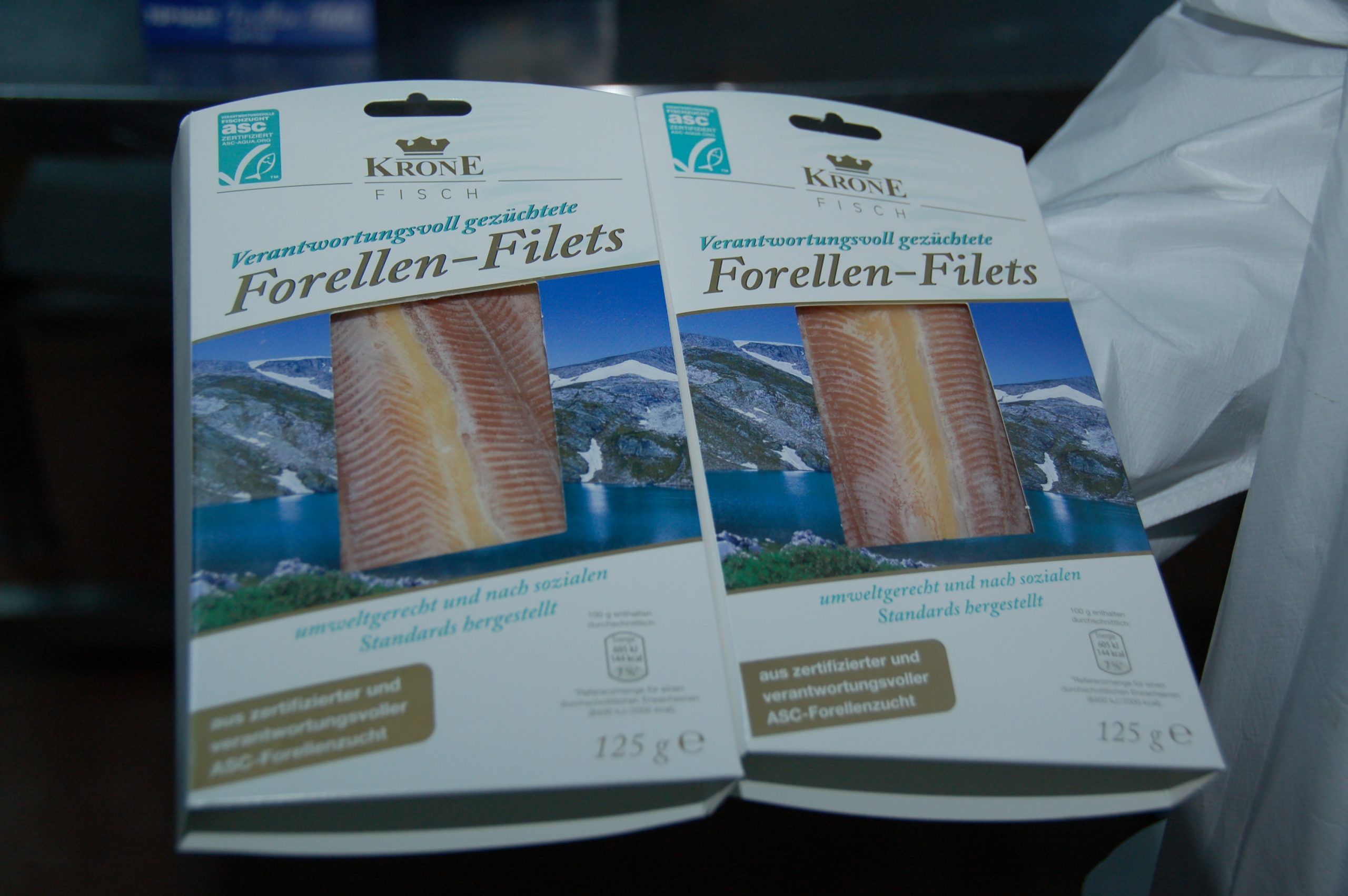
Today the entire production of trout, some 6,000 tonnes, is exported to Germany in the form of smoked trout fillets and barbecue-ready fish. The latter is gutted trout in aluminium trays which is being sold to the German retail market through a distributor in Germany. Exports to Germany started in 2003 and have continued ever since. Gökhan Ulubahsi, the export manager, was born and brought up in Germany and returned to Turkey and started working with Özpekler in the middle of 2015. A native speaker of both German and Turkish and fluent in English to boot, he is ideally qualified to expand the company’s most important European market.
Leaner, fitter industry since 2013 crisis
At Özpekler, trout is grown to about 350 g if it is to be made into fillets. A fish of this size will yield two fillets with a combined weight of 125 g. The trout fillets too can be exported either frozen or fresh, and together with a partner in the Netherlands, Echtvis, the company is working on developing other value-added products. This collaboration dates back to 2003 and is still going strong, reflecting the company’s values. Our relationship with partners and customers goes back many years, says Mr Özpek. Turkish trout production increased by leaps and bounds until 2013, but over the next two years fell back to its level in 2011 of just over 100,000 tonnes. The increase in production was at least partly due to incentives provided by the government, but this says Mr Özpek resulted in too much trout that companies could not sell and many of them went under as a result. Today there are fewer companies producing trout and those that exist are, according to Mr Özpek, in better shape than before.
Özpekler also has its own hatchery with a capacity of 67m fingerlings though actual production is lower than this. One of the trout farms was certified to the Global G.A.P. standard four years ago, and to the Aquaculture Stewardship Council standard in 2016. As a result, a little over 10% of the production today is certified. Osman Özpek would like to see more of the production certified, but says it is very difficult and expensive.
In 2009 the company invested in cages for ongrowing seabass and seabream and today has a modest production of 300 tonnes of each species. The seabass and seabream are grown to 500 g and also packaged gutted and frozen in trays for barbecuing with either one or two fish in each package.
Fish processed by machine and manually
The processing facility was built in 2002 and has an area of 2,000 sq. m of building and 3,500 sq m in total. Here both the trout as well as the seabass and seabream are processed. Among the machines are those that remove the head, tail, guts, and bones and makes a butterfly fillet of the fish. Other products include whole gutted fish that are placed in brine for 12 hours and then smoked. After the smoking process the head and tail are cut off and the bones removed by hand. The manual work is necessary when the fish are smaller than can be profitably processed by machine. Some of the products, such as the barbecue packaged fish, are seasonal, while others such as the smoked product are produced all the year round.
Özpekler also has plans to establish a feed plant to better integrate its operations. The plant is scheduled to start operating at the end of April and in the first instance will only produce to meet the company’s own requirement of feed, but later may opt to produce for the market. Today the company gets feed from two local suppliers and the new factory will give it greater independence and control over the feed. The planned factory will have an output of 6 tonnes per hour or about 50,000 tonnes a year of 4 mm feed, and will produce feed for trout, seabass, and seabream.
| Özpekler | |
|
Denizli, Turkey Founder: Mustafa Özpek |
Export Manager: Gökhan Ulubahsi (gokhan@ozpekler.com.tr) Farming sites: 10 |