This article was featured in Eurofish Magazine 1 2026.




Restocking of lavaret (Coregonus lavaretus) coregone in Italian, in Lake Garda is set to resume following a regulatory change in Lombardy reopening a pathway for restocking activity. The announcement was made by Alessandro Beduschi, Lombardy’s Regional Councillor with responsibility for agriculture, food sovereignty, and forests. Lavaret is considered allochthonous in Lake Garda, having been introduced in 1918. Over time, it has acclimatised to the lake and become a common catch, supported by continuous, human-led repopulation efforts. This regular stocking has underpinned what is regarded locally as a significant commercial fishery, and a species strongly associated with the lake’s fishing traditions. The new law suspends the ban on stocking non-native species until 31 May 2026. The ban had been in place since 2020, effectively halting restocking activity for the species and, according to the regional authorities, creating significant challenges for professional fishers and for businesses connected to the lake’s food sector.
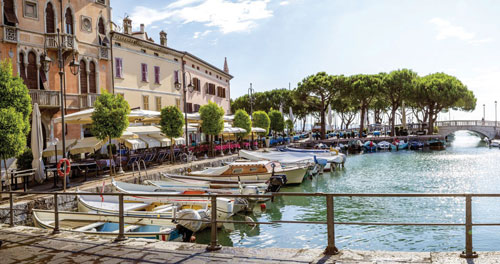
The decision is a turning point for the Garda area and for Lombardy’s fisheries. Despite its long history of residence in the lake, the fish continued to be treated as a non-native species under the previous rules. The regional administration argues that the suspension restores what it considers a more balanced, evidence-based approach, supported by technical data, and responds to the needs of the local fishing community. With the legislative change in place professional fishers on Lake Garda are due to begin identifying suitable broodstock. The goal is to secure a supply of around 40 million eggs for the Desenzano fish hatchery, a volume seen as necessary to plan stocking activities during 2026. If the programme proceeds as intended, the region anticipates that juvenile lavaret could be released into Lake Garda as early as February 2026.