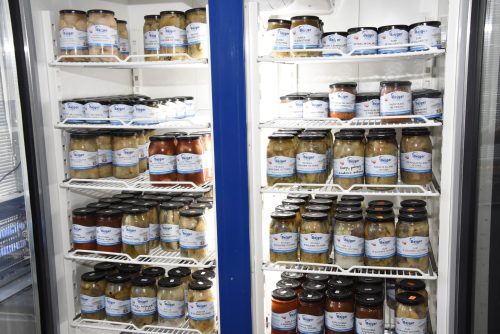
The fish processing sector in Poland comprises some 200 companies most of which are family-owned SME´s catering mainly to the domestic market with a dozen or so very large companies. Since the collapse of the cod fishery in the Baltic some eight years ago many companies have reoriented their production to focus on the use of imported fish as raw material. Some companies import fish and seafood which is then processed into different product forms—smoked, fresh, frozen, and marinated. The raw materials are sourced from around the world and the range of species and products is impressive. Competition on the market drives companies to focus on innovation, quality, service, and communications. However, the market has seen a degree of consolidation as some companies, faced with increasing costs of raw materials, energy, and labour, have shut down or been taken over.

As in other parts of Europe consumer preferences in Poland are changing. While older generations still follow traditional patterns of consumption, younger people look for convenience. Increasingly they want something that is portion-sized for a single- (or two-) person household and can be eaten without worrying about cooking, fish smells, or bones. Successful processing companies are adapting to these challenges and also acting preemptively in a bid to shape consumer tastes rather than merely responding to them.