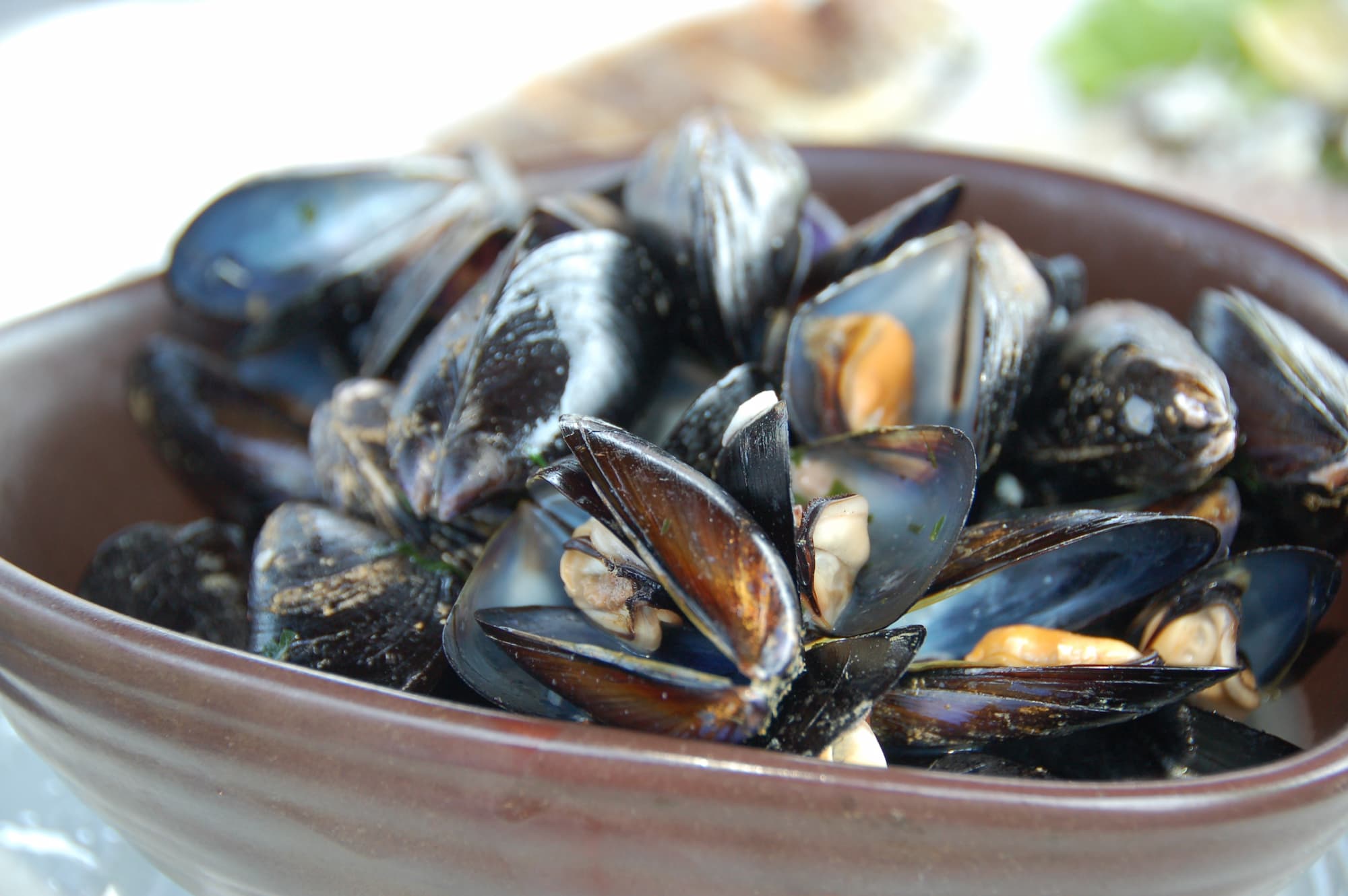
Mussels are one of the most efficient producers of protein. They are also the most traded bivalves in the world.

Mussels are the most traded bivalves in the world, with international trade during the first quarter 2015 totalling about 70,000 tonnes. The first few months of 2015 were very positive for the Chilean mussel industry with exports quickly growing.
In the first quarter of 2015, global exports of mussels reached 69,000 tonnes, a stable level compared with the same time period in 2014. However, when comparing individual exporting countries, a wide range of trends can be seen. Chile performed very well in the period, with exports growing by 2,600 tonnes (17.4%) compared with the first quarter of 2014. In contrast, sales by the Netherlands, the third largest exporter, dropped by 5.9%. New Zealand exports experienced an even harsher fall, decreasing by over a quarter.
Dutch imports fall as well
During the first quarter of 2015, EU imports of mussels declined by 9% to 42,600 tonnes compared with the same period the year before. The Netherlands’ imports experienced the most drastic decline, with purchases totalling only 2,000 tonnes in the first quarter, compared with 6,600 tonnes the year before. Furthermore, the Netherlands saw significantly reduced shares of total EU 28 imports, from 14% in the first quarter of 2010 to 5% in the first quarter of 2015. Meanwhile, Germany is a growing importer with 4,900 tonnes imported during the first quarter of 2015.
Imports in to France, the largest EU importer of mussels, were stable during the first quarter of 2015 compared with the same time period last year. However, the 13,500 tonnes imported reflects a decline when examining the first quarter average during the previous five years (15,600 tonnes). Purchases from the Netherlands, the top French supplier with a 29% market share in the first quarter of 2015, declined by 800 tonnes compared with the first quarter average during the previous five year period. Currently, it is mainly Irish and Dutch mussels that are present on the French market. Spanish Mytilus galloprovincalis are also available as a low-price option. Italian imports in the first quarter of 2015 were slightly lower than the first quarter average observed in the previous five years (-7%), demonstrating the drop from the two largest suppliers, Spain and Chile. Spain reported a decline of -18% in the purchase of mussels on external markets compared with the first quarter average during the previous five year period. Looking at the breakdown of Spanish imports by supplying country, imports from Chile declined by 400 tonnes, from France by 500 tonnes and from New Zealand by 300 tonnes. The only supplier to improve sales performances in Spain was Italy, with 500 tonnes sold from January to March compared with a first quarter average of 300 tonnes in the period 2010-2014.
PEI mussels return to Canadian restaurants
After a harsh and exceptionally snowy winter, Prince Edward Island producers are back in business. Despite the absence of Prince Edward Island mussels in Canadian restaurants for several weeks, consumers loyally reverted to this locally produced food once it was back as a menu choice. The PEI industry represents 80% of Canada’s mussel production.
FAO GLOBEFISH