This article was featured in Eurofish Magazine 3 2026.

The processing industry is incorporating equipment and processes into its operations that make it more sustainable. This is an economic imperative according to Luis García Castro, Sustainability Manager at Conxemar, the Spanish Association of Wholesalers, Importers, Exporters and Manufacturers of Fish and Aquaculture Products.
Step into almost any seafood processing plant and it becomes clear very quickly how much is at stake. Energy is being used constantly to keep temperatures stable, raw material moves through production lines where every percentage point of yield matters, and by-products pile up that could often be worth much more than they are today. Processors are working under real pressure: rising energy costs, tighter regulation, growing demands for transparency, and margins that leave very little room for mistakes.
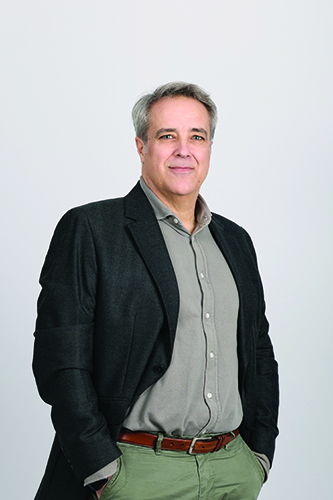
But that same pressure also creates room for improvement, and this is something Mr. Luis García Castro, Sustainability Manager at Conxemar, understands well. His view of sustainable fish processing is broader and more practical than the term sometimes suggests. It starts with the origin of the raw material, but it also includes how efficiently a plant runs, how energy is managed, how much of the raw material ends up as product, and how people across the chain are treated. In the past, sustainability was often understood mainly in environmental terms, linked to habitats, fish stocks, and natural resource management. Today, that picture is wider. Social conditions, worker welfare, and relationships with communities are also part of the equation. But, as Mr. García Castro points out, none of this means much without an economically viable business model. That tension is especially visible in processing, where competition is strong and margins are tight.
Reducing energy consumption brings the greatest payoffs
When asked where the biggest environmental impacts lie, Mr García Castro does not hesitate: energy. It affects all stages of production, but especially those linked to cooling, where consumption largely shapes the footprint of processed seafood. Refrigeration systems also raise another concern, particularly when gases with a high global warming potential are still being used. Raw material losses, underused by-products, water use, and packaging all matter too, but energy remains the main area of focus. Cutting energy use per tonne processed, alongside reducing refrigerant leaks, product losses, and reprocessing, can make a major difference. Technologies already proving their value include natural refrigerants such as ammonia and CO₂, better insulation, heat recovery systems, improved defrost management, and digital process monitoring.
Mr García Castro also highlights technologies that support good freezing practices, such as modified atmosphere packaging, vacuum systems, high-pressure processing, biopreservation, and active or intelligent packaging. These help extend shelf life, reduce losses, and maintain product quality across the chain. Faster and more stable freezing produces smaller, more even ice crystals, which helps preserve texture, water retention, and overall eating quality. But temperature control matters throughout the process, not only inside the freezer. Losses can build up during transfers, waiting times, glazing, and unexpected fluctuations in storage.
Plastic packaging is another area where improvements can support greater sustainability. For most processed seafood products, it remains difficult to avoid, but its environmental impact, the cost of waste management, and the tax on single-use plastics have already pushed companies to reduce its use. Digitalisation is also becoming an important part of the solution. Sensors, IoT systems, machine vision, artificial intelligence, and digital twins are helping processors monitor operations in real time, spot problems earlier, reduce waste, improve yield, and plan maintenance more effectively.
Economic and environmental gains from better use of by-products
Another area with clear untapped potential is the use of processing side streams. In much of the sector, by-products still represent lost value. Better valorisation of these materials can reduce waste while also creating new income streams and improving competitiveness.
On environmental regulation, the sector broadly accepts that sustainability is becoming more important and cannot be ignored. But many processors depend heavily on imported raw material, often coming from suppliers working under very different conditions and not always subject to the same rules as those in the EU. Mr García Castro accepts the need for stronger standards but argues that the transition must be managed in a way that does not leave European processors at a structural disadvantage.
Looking ahead, Mr García Castro sees several trends that are likely to shape the sector in the coming years. These include a wider move towards low-impact refrigerants, better use of renewable energy, and greater digitalisation of plant performance. Sustainable fish processing is no longer just a matter of compliance. It is increasingly becoming an operational need and, in many cases, a competitive advantage. The tools already exist and the knowledge is growing. For Mr García Castro, the message is clear: changing the traditional business model into one that benefits everyone is the path towards a successful company. And that change, he says, should come from conviction, not only from regulation or market pressure. If the sector does not make that change itself, others will do it for them.
Ixai Salvo, Eurofish, ixai@eurofish.dk