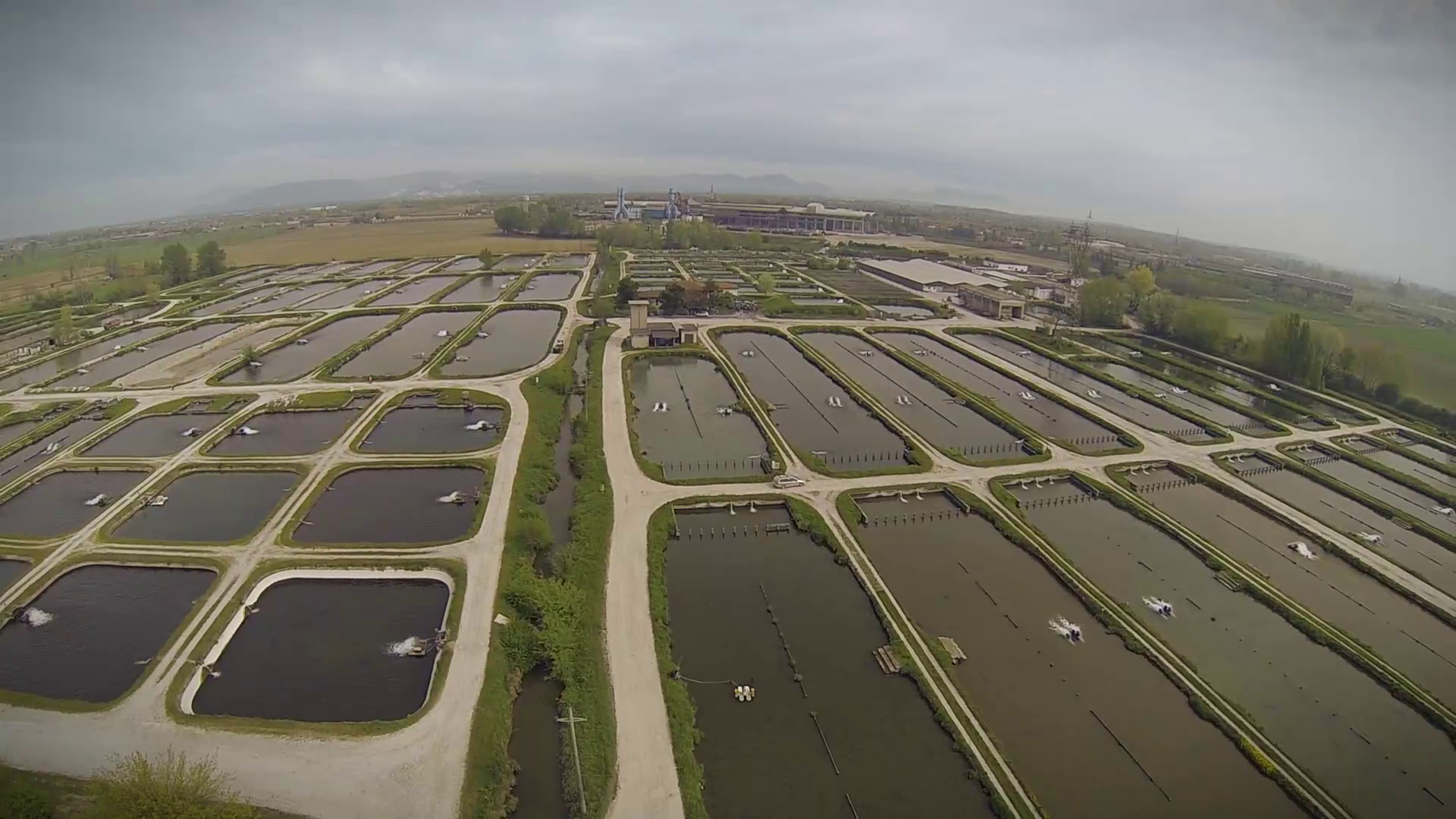
The farming site is spread over 60 ha and comprises a hatchery, on-growing ponds and a processing facility. The steel mill that provides the heat can be seen faintly in the background.

The Italian aquaculture sector has a long history starting first in the coastal lagoons and then, as technology became available, expanding both inland and along the coast. While the freshwater production of trout is in terms of volume by far the most important, other freshwater species such as sturgeon and eels are also produced in significant volumes.
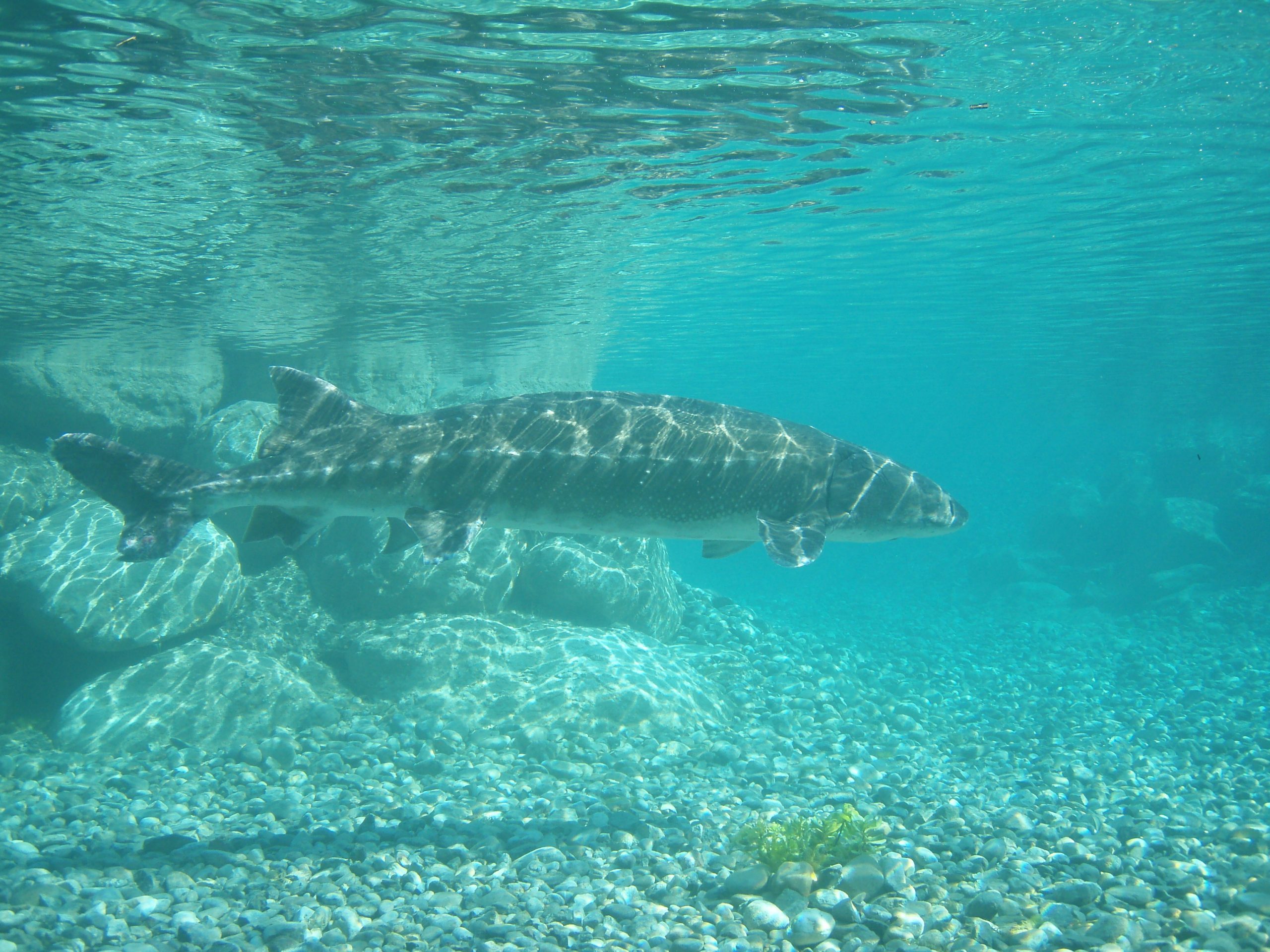
Among the main producers of sturgeon for caviar and meat is the company Agro Ittica Lombarda. Based in Brescia to the east of Milan, the company was established in the 70’s when it started as an eel farm. It was the owners of a steel mill in Calvisano, Brescia who realised that the surplus heat generated by the mill could be used with a heat exchanger to warm the water to farm eel. Experiments were also conducted with other species that needed warm water to grow including channel catfish and hybrid striped bass. But the fish that showed the most promise was the sturgeon, no doubt partly because three species of sturgeon, Acipenser naccarii (Adriatic sturgeon), A. sturio (European sturgeon), and Huso huso (Beluga sturgeon), used to be found in the wild in the region.
Farming seven varieties of sturgeon
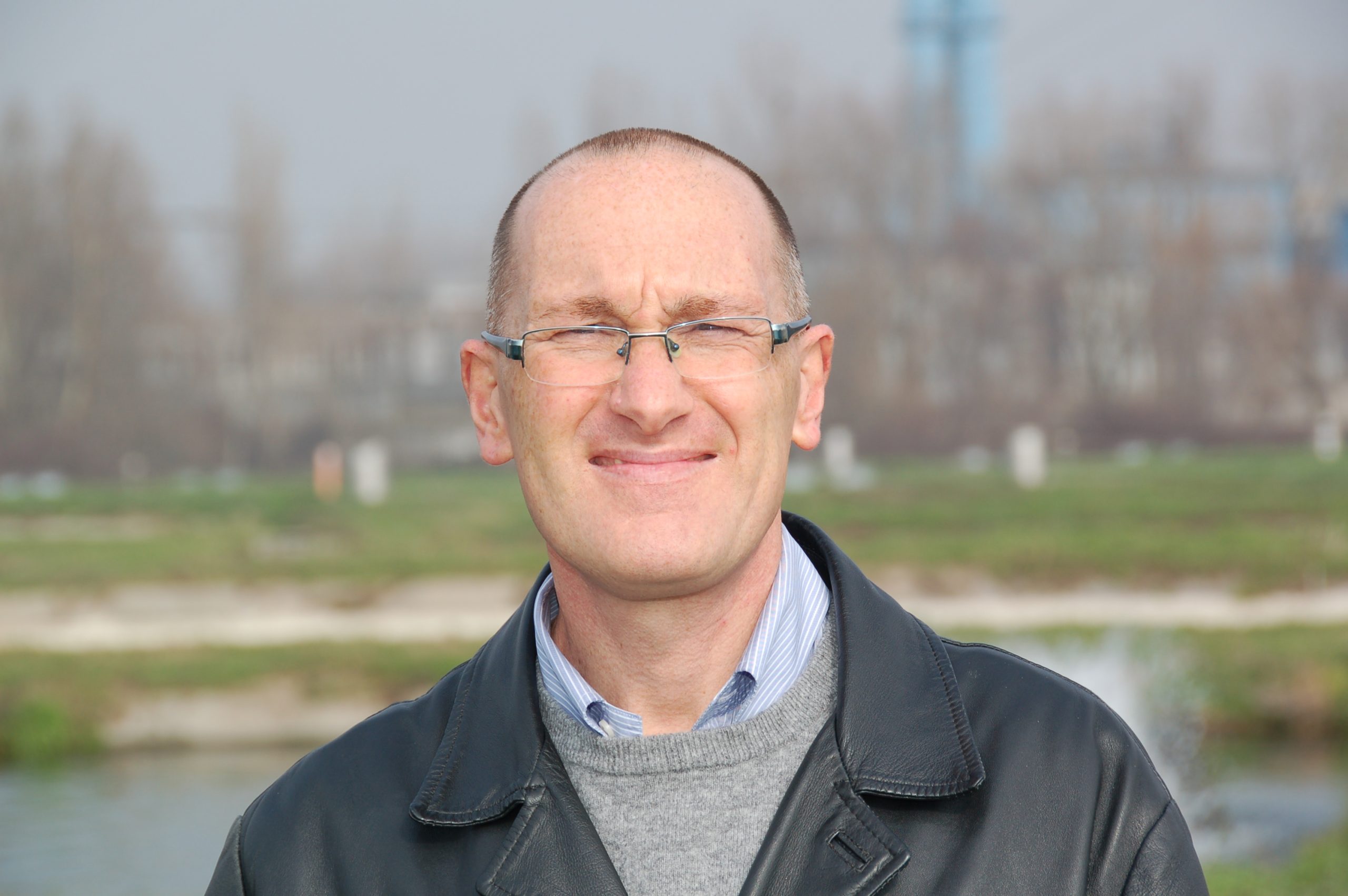
The Agro Ittica group has two facilities about 10 km apart as well as interests in a trout farming facility in the neighbourhood of Milan. The sturgeon farming is split between the two facilities, with white sturgeon, A. baerii (Siberian sturgeon), and small volumes of beluga sturgeon being farmed at one and Adriatic sturgeon, A. gueldenstaedtii (Danube sturgeon or osietra), and A. stellatus (starry sturgeon or sevruga) being farmed at the other. In addition the company produces A. ruthenus (sterlet). The different species of sturgeon enable the company to offer a palate of products originating from the different fish. Mario Pazzaglia, the Head of Special Projects and Scientific External Relations, says that the caviar from each species of sturgeon has its own sensorial characteristics and customers can taste the different varieties and decide which they prefer.
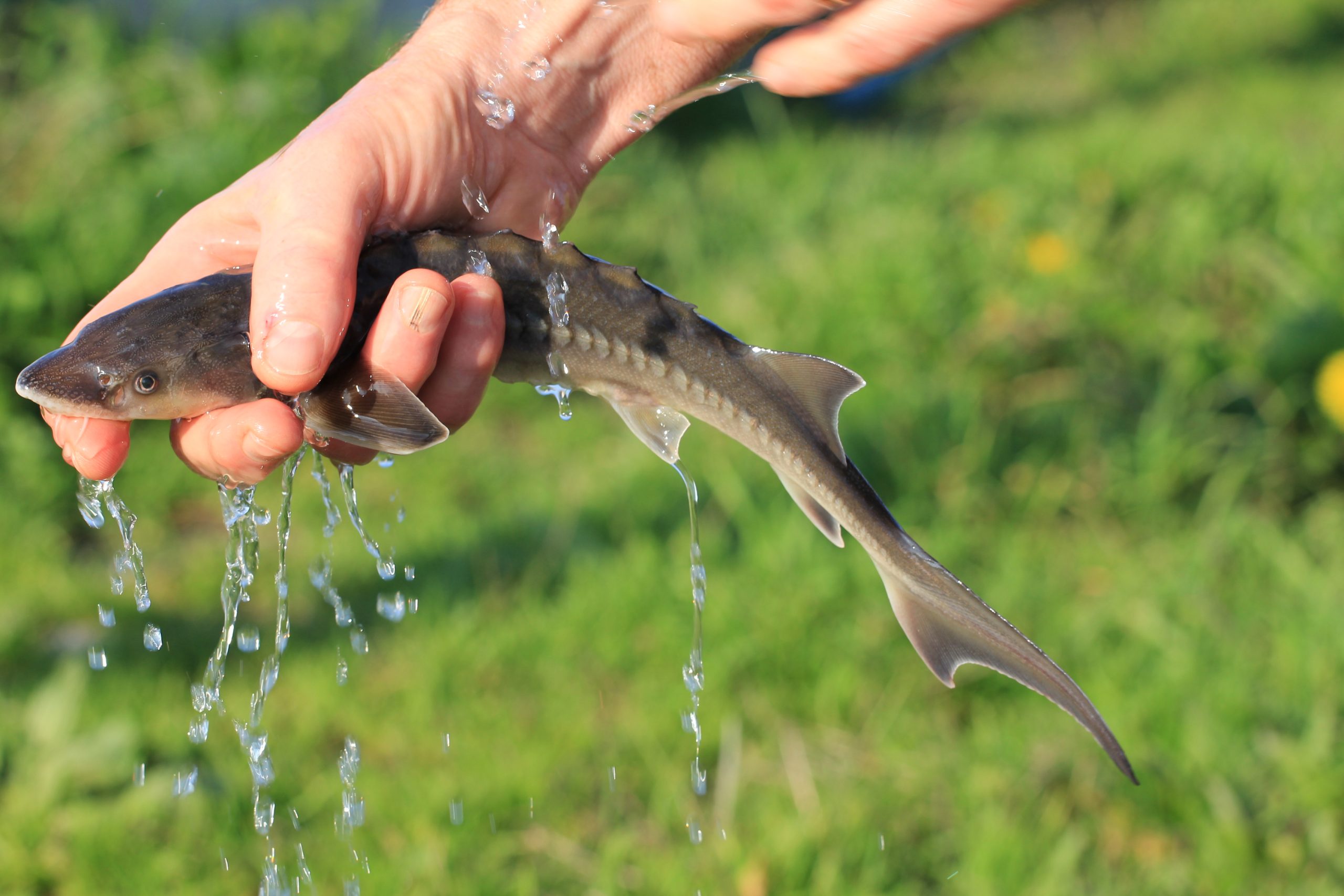
The heat produced by the neighbouring steel plant is used to warm the water in the hatchery. Once the sturgeons are released into the bigger ponds the water is warmed naturally by the sun. Temperature change has an important physiological impact on sturgeons as without it the maturation of the fish is not optimal, says Dr Pazzaglia. Lowering the temperature to promote maturation is a process called vernalisation. In fact it is impossible for the sturgeon to reproduce if the temperature is stable, he adds. The water is sourced from a spring, which has several advantages. It maintains a constant temperature of 13 degrees, is of very high quality with a neutral taste and, equally important, is isolated from potential sources of microbiological contamination.
The interest in sturgeon dates back to 1981 when, thanks to a serendipitous meeting at an aquaculture conference in Venice, the then president of Agro Ittica came in contact with a Russian scientist working at the University of California. This led to a collaboration that combined Russian knowhow with an American approach and enabled the farming of white sturgeon both in California and at the same time in the company’s facilities in Italy. Wild broodstock was taken from the Sacramento River and the larvae were flown to Italy for on-growing. Ten years after this arrangement started the first female sturgeons were ready for reproduction, which was the next step in the company’s progress. From a commercial point of view this was also a turning point because around that time CITES, the Convention on International Trade in Endangered Species of Wild Fauna and Flora, restricted the trade in sturgeon so that importing live fish was no longer possible. This meant that the population in Italy was now genetically isolated from the population in the US.
|
|
|
|
Full traceability will contribute to transparency
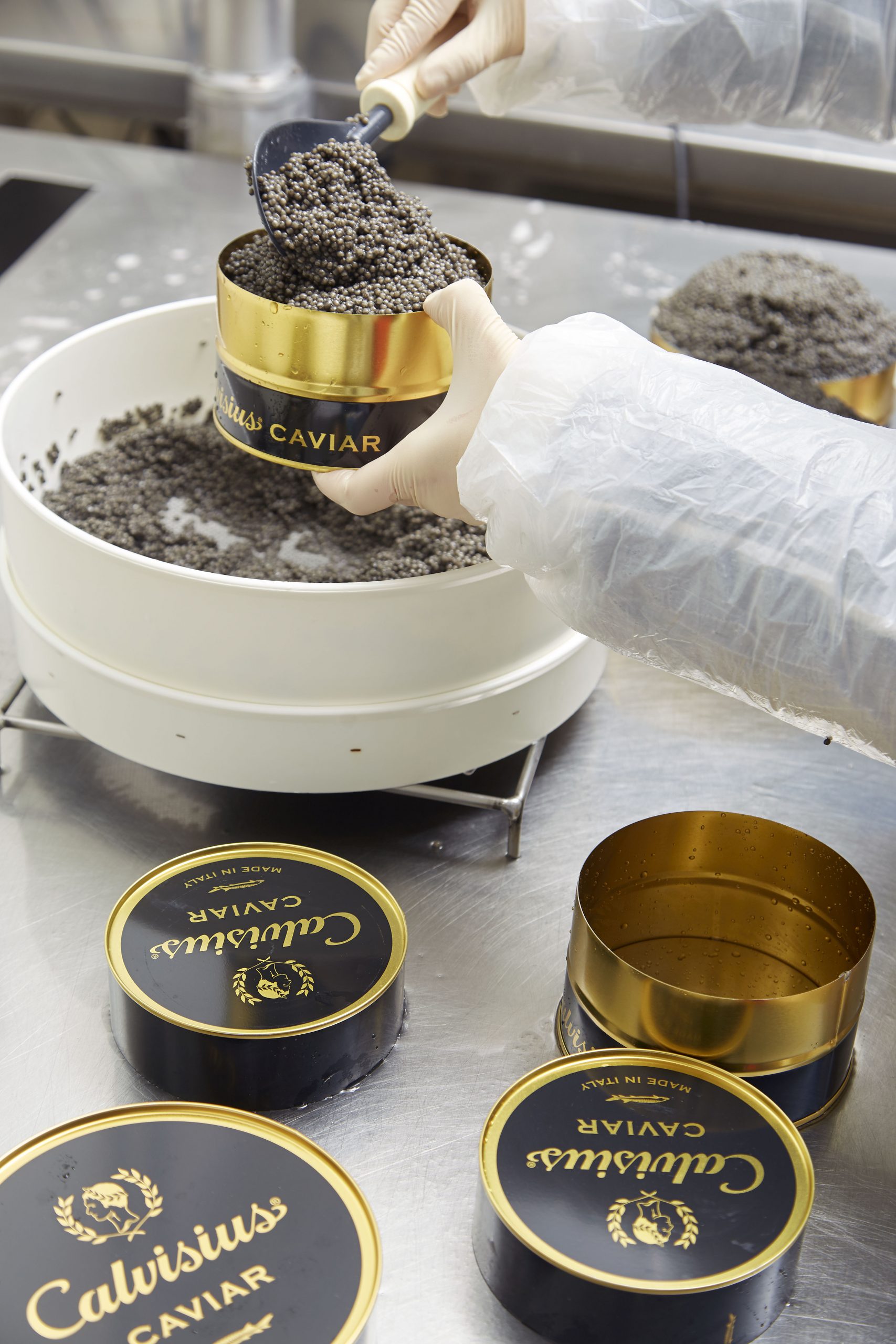
As the sturgeon production increased that of eel was declining due to changes in the market. Consumer tastes with respect to eel were evolving as many were finding it too fatty and too snake-like a fish, so demand was dropping steadily. As a result the company decided to reduce the production of eel and concentrate on sturgeon. This made commercial sense particularly in light of the CITES action, which was taken in response to a serious threat to the survival of the wild stock. Since the trade in sturgeon was banned farm populations of the fish and the products from them were highly valuable. Initially the company produced only 100-200 kg of caviar a year, which was supplied exclusively to the local market. But demand for the product increased rapidly and the company started the industrial production of caviar, which today amounts to 25 tonnes a year. Of this 15 tonnes is from white sturgeon and 10 tonnes is from other species. The challenge is not the production any longer, but the sales of the caviar, says Dr Pazzaglia. While the market is more or less stable, production of cavia
r from aquaculture has increased very rapidly and prices are dropping each year. China has emerged as a major producer, but is not a significant consumer of caviar, so Chinese producers are competing for the same markets as European farmers. An additional issue is that caviar from other countries comes into Europe and is repackaged with the name of the country or origin limited to a two-letter code which makes it difficult for the consumer to know where the product comes from and how fresh it is. Mario Pazzaglia would like to see regulations that ensure the full traceability of the product and make its origins and age completely transparent for the consumer.
Restocking sturgeon to maintain biodiversity
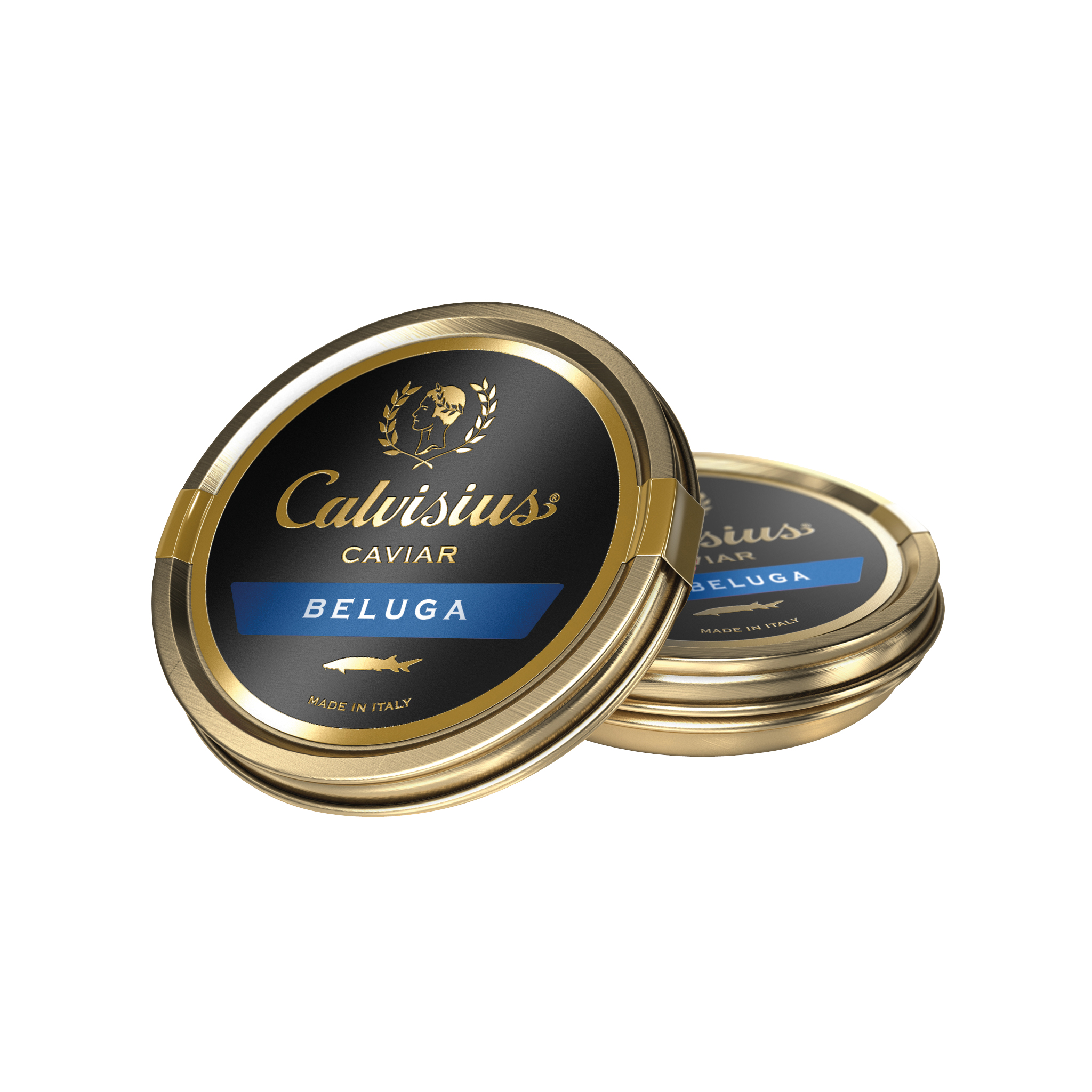
Caviar from white sturgeon is an excellent product, but is relatively unknown on the market, where it is caviar from the three species, beluga (Huso huso), Sevruga (A. stellatus), and osietra (A. gueldenstaedtii) that are most popular among consumers. These are not only species, but also grades of caviar. The price for white sturgeon caviar lies somewhere between Sevruga and osietra, prices for caviar from other species lie at different points along this scale. With seven types of caviar the company can offer products all along the scale, and consumers have the opportunity to compare and contrast the taste and consistency of different kinds of caviar. Among the products is caviar from Adriatic sturgeon, a species that is native to Italian rivers. Government restocking efforts for this species have been put on hold and so the company is collaborating with the provincial authorities and research bodies to release some of its production of this fish into the wild. The sturgeons are farmed primarily for the production of caviar, but the meat from the fish is also a product, although not all species have a meat that can be marketed in Italy. The white sturgeon (A. transmontanus) that Agro Ittica started with was in fact first bred for its meat as this is the most suitable species in this regard. The meat is sold primarily in Italy and Germany. Meat from other species is however difficult to sell on the Italian market, but is exported for example to Russia. The meat is sold fresh and vacuum packaged, or cold or hot smoked, or combined into pasta. The processing is done on site in Calvisano where the company has a thoroughly modern facility certified to BRC, IFS and ISO standards. This is not only used to process sturgeon, but also a number of other high value products including swordfish, tuna, Scottish salmon and trout. All the products are sold under the company’s own brand.
| Agro Ittica Lombarda Spa | |
|
Via Kennedy Head of Special Projects and Scientific External Relations: Mario Pazzaglia | Hatchery: 120 basins each 25 sq. m Fresh products: Sturgeon caviar from seven species of sturgeon, sturgeon meat Smoked products: Sturgeon, swordfish, Scottish salmon, tuna, trout, Total caviar production: 25 tonnes per year Brands: Calvisius, Cavalier Caviar Club Markets: Italy, rest of Europe |
Sustainability is an important aspect of the production for Mario Pazzaglia. The sturgeon ponds are lined with gravel which is inhabited by shrimps, snails, and other small invertebrates that are part of the natural diet of sturgeons. Nutrients from the sturgeon feed support the growth of microalgae which the invertebrates feed on and which protect the sturgeon from the sun by increasing the turbidity of the water. Our approach is the management of complex ecosystems, says Dr Pazzaglia, so that the production, even though it is not extensive, has a minimal impact on the environment. Investments in sustainability have paid off. Today both white sturgeon (A. transmontanus) and Siberian sturgeon (A. baerii) are certified to the Friend of the Sea aquaculture standard.