This article was featured in Eurofish Magazine 4 2026.

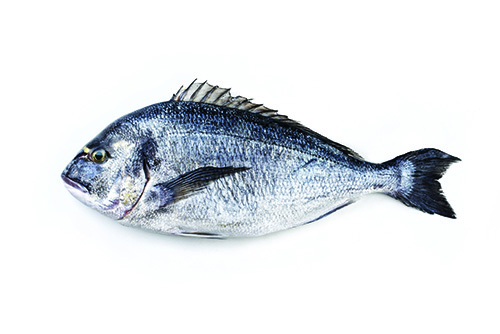
A new study on gilthead seabream offers some of the strongest long term evidence yet that genetic improvement remains one of the most profitable investments in Mediterranean aquaculture, showing a 76 percent increase in harvest weight over two decades without compromising genetic diversity. The research, based on Avramar’s breeding programme in Greece in collaboration with Benchmark Genetics, analysed data from 2002 to 2023 covering nearly 124,000 fish from 1,843 families. It found a cumulative genetic gain of 248 grams in harvest weight, equal to an average annual improvement of 3.6 percent, or about 15 percent per generation, with progress remaining consistent across more than twenty years.
Crucially, larger harvest weights were achieved alongside gradually declining harvest age, meaning fish reach market size faster. Researchers estimate the accumulated genetic progress could cut time to commercial size by around two months, reducing biological risk exposure and improving capital turnover. Genetic diversity was preserved throughout: heritability for harvest weight stood at 0.35, indicating room for further gains, while accumulated inbreeding reached only 1.3 percent by 2023, with inbreeding increasing just 0.39 percent per generation thanks to careful mating management. The authors say faster growth also lowers the environmental footprint per kilogram produced and identify genomic selection as the next step to accelerate improvements in traits like disease resistance and survival.