This article was featured in Eurofish Magazine 1 2026.

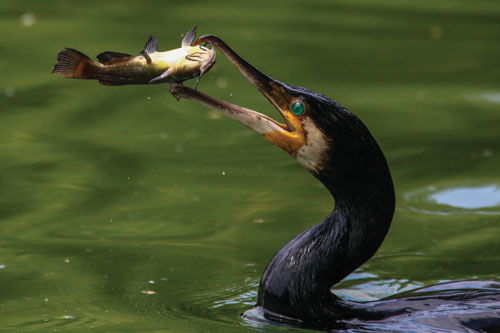
Estonia’s fisheries councils have asked the Ministry of Climate to adjust national controls on great cormorants in Estonia’s coastal and inland waters, citing continued growth in breeding numbers, reports ERR. The request proposes extending the current hunting season, which runs from August to November, to the end of March, and introducing a bounty intended to raise hunter participation. It also seeks changes that would permit hunting in selected protected areas. The ministry has opposed expanding culling, arguing that the species is difficult to hunt effectively. It prefers egg oiling, a measure used in recent years, noting that population impacts can take several seasons to emerge. This approach is supported by environmental groups, who question the effectiveness of the proposed culling efforts. Monitoring figures referenced in the councils’ request place the population above 47,000 breeding pairs, compared with a tolerance level of 10,000 pairs in the national action plan, and suggest annual growth of about 10%. Industry estimates arrive at similar numbers, with around 44,000 breeding pairs in 2024, and a summer population of roughly 160,000 birds.
To support Europe-wide struggles with cormorants, the first draft of a pan-European management plan was presented in April 2025, addressing both the biological dimension of maintaining the great cormorant’s conservation status, and the social and economic dimensions affecting the fishery and aquaculture sector.